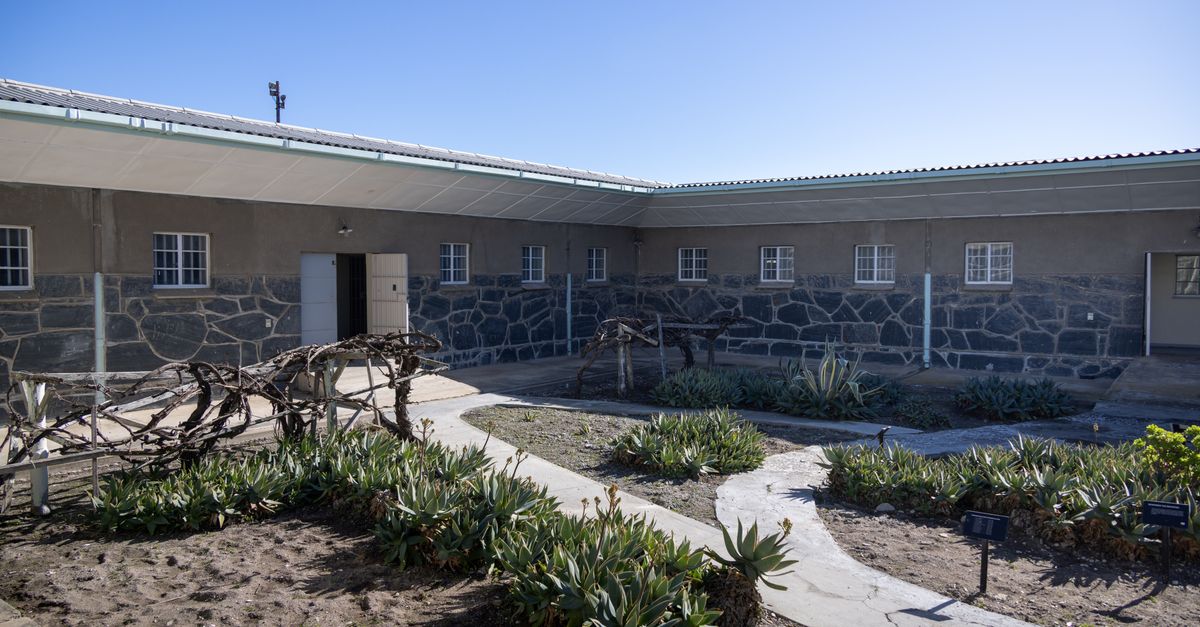
Trench Town is often discussed through the music it helped shape. The Culture Yard gives that history a physical setting. For a visitor in Kingston, the distinction matters. Songs and photographs can establish a connection to Bob Marley, but the yard places that connection alongside the people and spaces that were part of daily life. This account looks at what Trench Town is known for, what a Culture Yard visit covers, and why the place remains important to reggae history. It also keeps the wider community in view rather than treating the yard as a memorial to one musician.
What Is Trench Town Known For?
Trench Town is known for its place in reggae history and its association with Bob Marley, Peter Tosh, and Bunny Wailer. Those names can make the story sound like a list of famous residents. The Culture Yard offers a more grounded way to approach it. It is a place where the history is tied to rooms, objects, and accounts of what happened there.
On Lower First Street, the Culture Yard houses a museum of Trench Town’s history. It is also a licensed attraction. Guided tours are offered to visitors and locals, according to Jamaica Gleaner. That description is important because the yard’s subject is Trench Town itself. Marley is central to the story, but he is not its only subject.
Inside the small museum are instruments and furnishings used by Marley, Tosh, and Wailer, as reported by Jamaica Gleaner. Such objects make the musicians’ connection to the place easier to grasp. An instrument is not an explanation of a song, and a furnished room cannot recreate the past. Both can, but, give people a concrete starting point for asking how music emerged from a shared setting.
The term Government Yard also appears in discussions of Trench Town. For a beginner, the useful distinction is between the broader place and the Culture Yard as a particular site within its history. Treating them as interchangeable can narrow the story too quickly. The museum provides a point of entry, not a substitute for understanding the community around it.
Culture Yard received heritage site status in May 2007, according to Jamaica Observer. That recognition helps explain why the physical place matters alongside the recordings. A visitor can consider the yard as part of a lived environment, rather than simply a backdrop for familiar songs. For wider musical context, afflictedyard.com also covers reggae and dancehall culture.

Can Visitors Tour the Culture Yard?
Yes. The Culture Yard offers guided tours to visitors and locals. One reported tour follows three phases, with its second phase visiting Marley’s mother’s house, according to Jamaica Gleaner. That detail shows how a visit can move beyond a display of artifacts. The tour connects the museum’s account with another place associated with Marley’s life in Trench Town.
A visitor looking up trench town culture yard may expect a conventional museum stop. The guided format suggests a different approach. Rather than relying only on labels beside objects, people can hear the site’s history explained while moving through it. The experience is still best understood as an introduction. No single tour can account for every person, home, or musical relationship associated with Trench Town.
The physical setting also asks for a little care in how it is described. It is tempting to promise that a visitor will see the precise origin of reggae or understand Marley’s entire life after walking through the yard. Neither claim follows from the available record. A stronger reason to visit is more modest. The Culture Yard brings together a historical place, material objects, and a guided account of their connections. That combination gives visitors questions to carry into further reading and listening.
The yard’s ability to welcome visitors has faced pressure. Visits fell significantly after Jamaica closed its borders to tourists during COVID-19, and the site was still struggling financially in 2022 even though the return of flights, as Jamaica Gleaner reported. That history is a reminder that heritage sites depend on more than recognition. People maintain them, explain them, and keep their stories available.
Published opening hours and prices are not established by the cited reporting, so visitors should verify practical arrangements before making plans. The same caution applies to assumptions about which spaces a tour currently includes. The documented value of the visit is its connection to Trench Town’s history, not a promise about a particular itinerary. Readers comparing Marley-related places can find separate context in the bob marley museum kingston article.
How Is Trench Town Linked to Reggae?
The link between Trench Town and reggae is personal as well as musical. Marley’s time at the yard connects the place to learning, collaboration, and songwriting, not just to later recognition. According to the Jamaica National Heritage Trust account cited by Jamaica Gleaner, Vincent ‘Tata’ Ford taught Marley guitar while Marley lived in the yard. The same report says Marley and Ford co-wrote “No Woman No Cry” there.
Those details give the phrase bob marley trench town a meaning beyond an address. Guitar lessons point to learning from another person. A co-written song points to a creative relationship. Neither fits a version of music history in which a celebrated artist works apart from everyone else. The yard makes it easier to recognize that music can grow through ordinary contact between people who share a place.
Tosh and Wailer belong in that account too. Marley, Tosh, and Bunny Wailer recorded their first single, “Simmer Down,” in 1964, according to Jamaica Observer. The recording is part of their musical history. It should not, but, be mistaken for evidence that every significant event in that history happened inside the Culture Yard. The site’s importance lies in the connections it can document, not in absorbing the whole story of reggae into one location.
This distinction matters for visitors who arrive knowing the songs but little about Trench Town. The music may draw attention to the yard. Once there, the setting invites a broader question about who taught, listened, collaborated, and lived around the musicians. That question keeps Ford and Wailer visible alongside Marley. It also leaves room for the community’s own history, which the museum sets out to present.
Reggae is not the only subject associated with Jamaican music, and its history should not be flattened into every style that followed it. Readers interested in a related but distinct strand can explore dancehall dance moves. At the Culture Yard, the focus remains on Trench Town as a place where relationships and music met. The strongest account of that place holds both ideas together. Familiar recordings have lasting reach, while the people and surroundings connected to them deserve attention in their own right.