Reggae and dancehall culture makes more sense when the focus moves from genre labels to the places where people hear, shape, and respond to music. A recording can travel far beyond Jamaica, but its character is also shaped by the sound system playing it, the voice addressing the crowd, and the dancers deciding whether a rhythm deserves another turn.
That connection helps explain why reggae and dancehall share so much without sounding or feeling identical. Studios, street dances, performers, and live events all belong to the story. So do disagreements about when one style became another. This page follows those connections through Jamaica’s music spaces rather than treating either genre as a fixed collection of songs.
What Is the Difference Between Reggae and Dancehall?
Reggae and dancehall are related forms of Jamaican music, but the distinction is not simply a matter of tempo. Reggae gives singers and musicians room to develop a sustained mood or message. Dancehall places particular weight on the exchange between a rhythm, a vocal performer, and a crowd. That difference affects how a track is made, played, and received.
The distinction is a useful starting point, not a rule for sorting every recording. A singer can perform over a rhythm associated with dancehall. A deejay can address a serious subject. Nor does dancing belong exclusively to dancehall. The clearest question is often what the music asks of the people gathered around it. Does the performance invite close attention to a song, or does it depend on the immediate response of a dance?
The transition between the styles resists a neat date. A Red Bull Music Academy account of the shift toward dancehall places changes in sound and lyrical content in the late 1970s. Another account notes that Bob Marley’s death in 1981 is often treated as the line between roots reggae and dancehall. Neither marker fully describes a change that unfolded through performances and recordings.
For a beginner, reggae vs dancehall offers a focused comparison. The history of reggae music and history of dancehall music give each style more room. The what is roots reggae discussion helps clarify one part of reggae that is often set against dancehall. Earlier styles matter as well. The ska rocksteady reggae difference explains why Jamaican music history cannot be reduced to a single jump from reggae to dancehall.
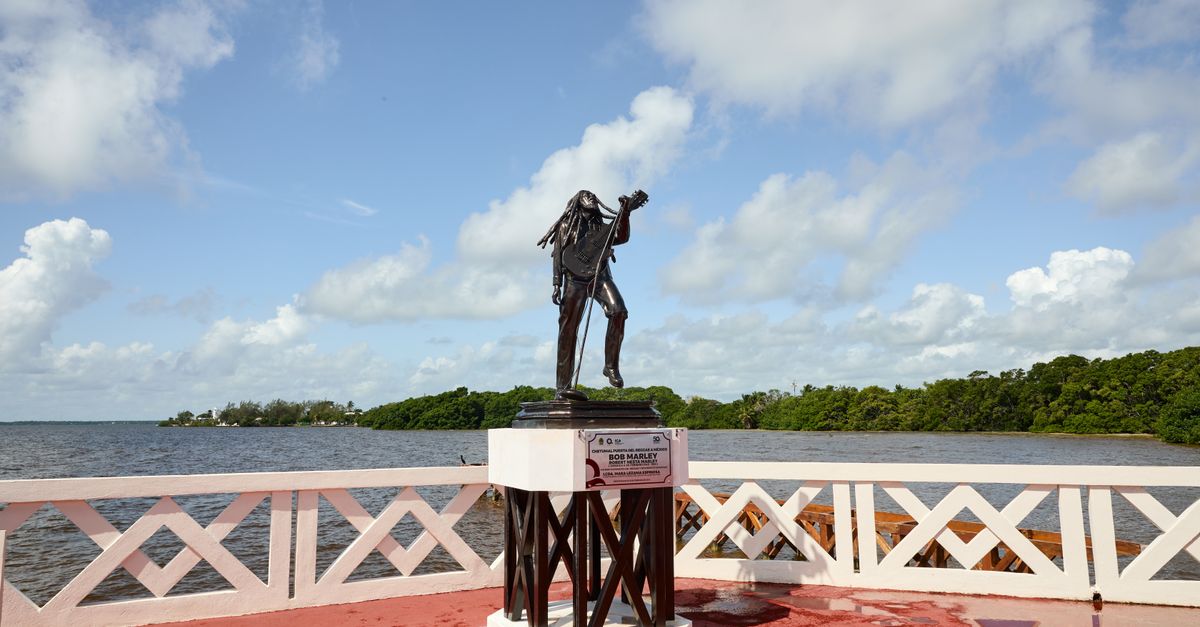
Individual artists also show why broad labels have limits. Bob Marley provides a familiar point of entry to reggae, while Shabba Ranks brings the dancehall performer into view. Vybz Kartel prompts a different question about how dancehall voices continue to command attention. The best dancehall artists of all time and new dancehall artists pages let the reader follow those performers without making any one artist stand for the whole culture.
How Did the Sound System Culture Start in Jamaica?
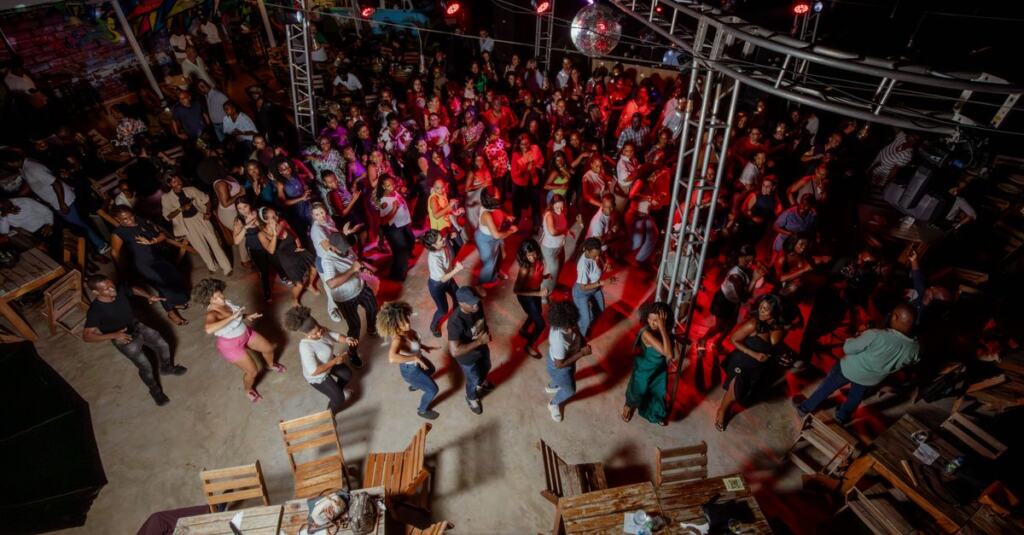
A sound system gives music a public setting. Records are selected, played, and heard among other people. That setting changes the listener’s role. The crowd can react to a vocal line, recognize a familiar rhythm, or make its preference clear before the next selection begins. Sound system culture is hence more than a way of making music loud. It is a way of testing what connects with people.
The available history makes place central to the account. According to Red Bull Music Academy, important labels and sound systems were based in West Kingston, including Studio One and Treasure Isle. An account of early dancehall also places deejays and singers around Waltham Park Road in western Kingston. These details make the shift toward dancehall easier to understand. Performers were responding to a musical environment with its own audiences and expectations, not working in isolation.
The deejay’s changing role shows how much a dance could influence recorded music. Deejays moved from chatting between songs to becoming recording stars. What once helped hold an event together could become the performance people came to hear. That movement between the live dance and the recording studio is a key part of reggae and dancehall culture.
King Tubby offers another connection between a sound system and a distinctive approach to music. According to The Gleaner, he owned the Hometown Hi-Fi sound system and was a leading figure in dub. His place in this story helps show why the person controlling and reshaping a recording matters alongside the singer heard on it.
The sound system culture jamaica page examines that wider setting. The reader can also explore what is a dubplate and what is a sound clash to understand some of the terms associated with sound system performance. Those subjects make more sense when considered as parts of a shared listening space, where the choice and presentation of music matter as much as the recording itself.
Place should not be treated as scenery in this history. The trench town culture yard page offers a closer look at Trench Town, while bob marley museum kingston gives readers interested in Bob Marley another place-based route into the music. Neither replaces the sound system story. Together, they encourage a more grounded view of the people and spaces behind familiar names.
What Are the Key Dancehall Dances and Where Did They Come From?
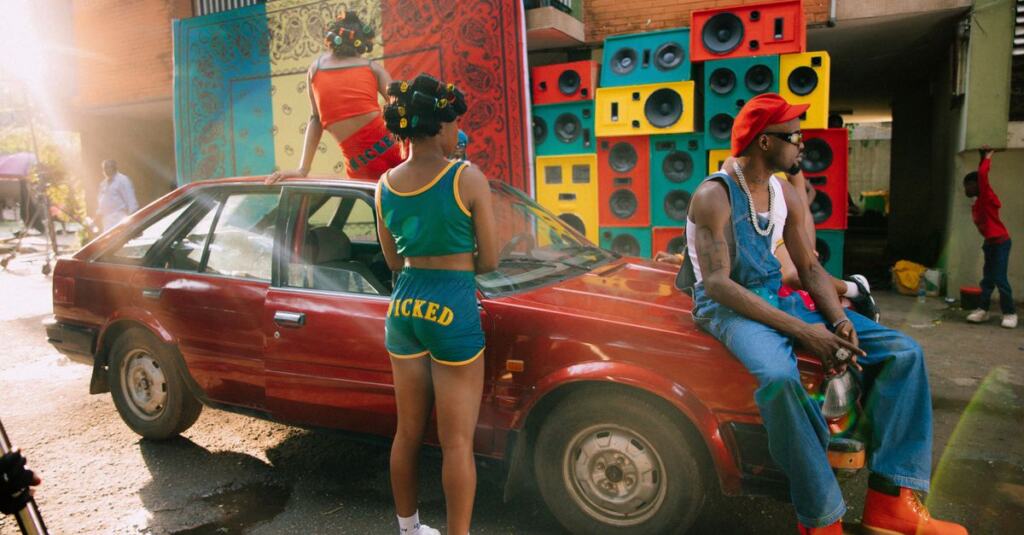
Dancehall is not only something people hear. Dance makes the relationship between a recording and its audience visible. A rhythm can invite a gesture, a repeated step, or a response shared across a group. In that setting, movement is part of how people recognize and interpret the music. The dance floor is not an afterthought attached to a finished track.
A beginner looking for a fixed list of key dances may find the question less useful than it first appears. Dancehall movement changes with the music and with the people performing it. A named move can draw attention, but no short list can explain how dancers adapt a movement, answer another dancer, or decide when a step belongs in a particular moment. The dancehall dance moves page is the better place to follow individual moves and their origins.
The setting matters because dancehall is social. A person dancing alone to a recording can learn its pulse, but a shared dance adds another layer. People watch one another. A movement may be repeated, varied, or rejected. That exchange helps explain why descriptions limited to lyrics and instrumentation miss something important. They account for the sound without accounting for what the sound makes possible among people.
Dance also complicates simple claims about the difference between reggae and dancehall. People dance to reggae, and dancehall can be heard without anyone moving. The distinction lies in emphasis. Discussions of dancehall culture have to leave room for the dancers as active participants. They are not merely illustrating what a performer has already decided. Their response can shape how a performance feels in the room.
Appearance belongs to this public exchange too. Clothing can affect how a dancer presents a move and how that move is read by others. The dancehall fashion page considers style as part of the scene rather than as decoration. Treating music, movement, and appearance together gives the reader a fuller picture, while still leaving room for disagreement about what a particular performance means.
Which Jamaican Studios Shaped Reggae?
Studio One is a clear place to start because it joins the studio story to the sound system story. The Gleaner reports that Clement Dodd opened Studio One in 1963 on Brentford Road, where he recorded early ska and reggae. The studio helped build the careers of The Wailers, Lee ‘Scratch’ Perry, and The Skatalites. Those details give the name more substance than a simple list of celebrated recordings would.
A studio does not create a culture by itself. Performers bring ideas into the room. People working with the recording decide how those ideas will be heard. Listeners then encounter the result in their own settings, including dances. Studio One matters here because it helps connect those activities. It is a place where music was recorded, but its story also belongs to the wider network through which Jamaican music reached people.
Treasure Isle belongs in the discussion as well. It appears alongside Studio One in an account of the important labels and sound systems based in West Kingston. Naming both makes the geography of music production easier to see without suggesting that either name explains every recording or every change in style.
Studios become especially interesting when a rhythm takes on a life beyond one vocal performance. A listener may hear the same underlying musical idea differently when another voice addresses it or when its arrangement changes. The what is a riddim page explains the term that often comes up in those conversations.
Changes in production also affected who could make music. A Red Bull Music Academy account of dancehall identifies Sleng Teng as the first digital riddim and places its debut in 1985, although other accounts credit King Tubby’s sound system with an earlier computerized riddim, Tempo. The same account says digitized riddims made music-making more economically accessible to producers. The point is not that a machine replaced the cultural work of performers, producers, or audiences. A different means of making a rhythm opened possibilities, while the music still had to connect with people.
What Are the Major Reggae and Dancehall Events in Jamaica?
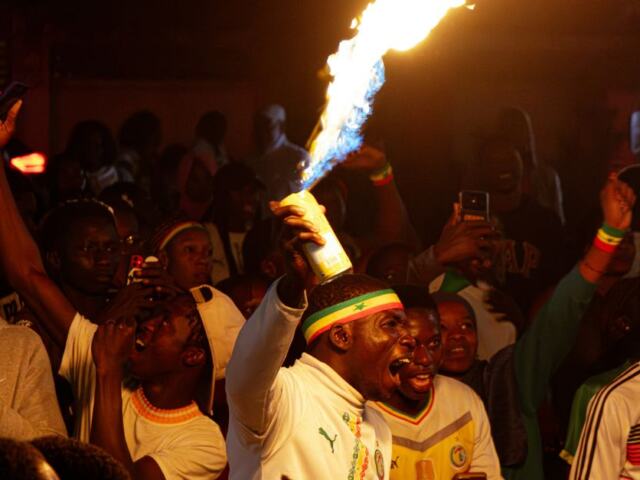
Live events bring the relationships described throughout this page into focus. A recording has its own shape, but a performance adds a crowd, an occasion, and the possibility of an immediate answer. That is why events matter to reggae and dancehall culture even for people whose interest begins with recorded music. They show how artists and audiences meet around it.
Sting is a significant name in dancehall’s event history. According to Red Bull Music Academy, it was held each year on December 26, and its stage hosted face-offs involving Ninjaman, Supercat, Yellowman, Buju Banton, and Shabba Ranks. The face-off is an especially direct expression of the live stakes of a performance. An artist is not only presenting material. The artist is meeting another performer in front of people who can respond as it happens.
Rebel Salute gives the reader a different event to consider. According to Jamaica Observer, it began in 1994 at Fayor’s Entertainment Centre in Mandeville, Manchester. Organizers say the event sells no alcohol or meat. The Gleaner notes that Rebel Salute is also a birthday celebration for Tony Rebel. After its 2012 staging, it moved from St Elizabeth to Grizzly’s Plantation Cove in Priory, St Ann. These details show how an event can carry its own identity while remaining part of Jamaica’s wider music culture.
The events should not be treated as interchangeable examples. A dancehall face-off puts direct competition in view. Rebel Salute’s stated approach to what is sold at the event points to a different set of choices about the occasion. Both ask people to encounter music in a shared space, but the setting changes what receives attention.
For the reader, that difference is a useful way to understand the broader culture. A studio explains how a recording takes shape. A sound system explains how selections reach and engage a crowd. Dance shows how people answer with movement. An event gathers those elements in public, where a familiar song can become a performance shaped by the people present.