A record can carry a song that everyone knows. A dubplate can carry a version made for a particular sound system, changing what happens when that song reaches a dance. That distinction explains why the word matters in Jamaican music. It refers to a physical disc, but people also use it for the exclusive recording played from that disc. The meaning can shift further when people say “special.” Understanding those uses makes it easier to follow a selector’s choices, the competition between sound systems, and the moment a familiar tune suddenly names a rival.
What Is a Dubplate in Jamaican Music?
A dubplate is a physical disc carrying a recording that can be played before a standard record is pressed. In Jamaican sound system culture, the word also describes a customized version of an existing song. The distinction matters. One meaning points to the object in a selector’s hands. The other points to what comes through the speakers. The Jamaica Gleaner describes the disc as usually 10 inches across, explains its role in testing a master, and notes its use for customized songs.
A sound system can play the familiar song, or it can play a version that speaks directly to its identity. The latter has a different purpose even when the underlying music is recognizable. It gives the selector something that another sound cannot simply match by reaching for the ordinary record. That is why “exclusive” describes the social value of a dubplate, not just the fact that a particular disc exists.
The setting helps explain the appeal. Picture a street dance in Kingston, with a selector choosing the next recording while people wait to hear which sound it represents. Kingston here is a setting for understanding the scene, not a claim that every dubplate comes from one place. A deejay’s voice or a changed lyric can make a recording feel addressed to the dance rather than merely played at it. The exact words matter because listeners can hear an allegiance in them.
For a beginner exploring reggae and dancehall culture, the simplest definition holds both meanings together. A Dubplate is a disc associated with testing or playing music, and in sound system usage it can carry a version made to distinguish the sound that plays it. Neither meaning should erase the other.
How Is a Dubplate Different From a Normal Record?
The clearest difference is purpose. A standard released record presents a version intended to circulate as the record itself. A dubplate can let a producer hear a recording before that step, or let a sound system play a customized version. Those uses should not be collapsed into a claim that every early test disc was a clash recording. Testing a song and representing a sound are related parts of the story, but they answer different needs.
That distinction also helps with the question of dubplate vs acetate. Acetate identifies the physical test disc described in accounts of the practice. Dubplate is a term shaped by what people did with such discs. A person talking about a dubplate may mean the cut disc, the recording on it, or the exclusive version associated with a sound. Context usually makes the intended meaning clear. If the conversation concerns a producer checking a master, it concerns a test. If a selector discusses a rival sound’s recording, it concerns an exclusive selection.
The terms “dubplate” and “special” are often used interchangeably, although sound system experts distinguish them, according to the Jamaica Gleaner. A dub special draws attention to the customized performance or message. A special pressing draws attention to the physical record. Everyday speech is less tidy. Someone can call the music a dubplate without pausing to describe the disc beneath it.
That flexibility does not make the distinction useless. It prevents a common misunderstanding, especially when a listener can hear the special recording without seeing what a selector is playing. The sound can remain distinctive even when the physical medium is not visible. The record answers how it was carried. The version answers why people in the dance react to it.
Why Do Sound Systems Pay for Dubplates?
Sound systems seek dubplates because a familiar song can become a statement of allegiance. A selector playing an ordinary record brings the artist’s music to the dance. A selector playing a customized version can also bring the sound system’s identity into that music. The difference becomes pointed when another sound is competing for the same crowd’s attention. A recording that names or favors a particular sound gives listeners something to recognize immediately.
Exclusivity matters because a rival cannot claim the same message without weakening its own position. The recording does more than fill a gap in a set. It shows that someone made a version for this sound, with a purpose tied to the contest. That can shape how people hear the next selection, too. Once a sound has answered a rival with a distinctive recording, the crowd has a reason to listen for the response.
There is a creative side to that pressure. A special need not work merely by announcing a name. Its force can come from the way the artist handles the song and the way the selector places it in the sequence. The strongest moment is often contextual. A line that seems plain away from the dance may carry weight when it answers something another sound has just played. This is why the culture cannot be explained by the disc alone.
Competition also makes loyalty important. If an artist records a counter special for a rival, the claim of exclusive support loses some of its meaning. Sound systems hence care about the relationship behind a recording as well as the recording itself. For a reader following new dancehall artists, that relationship helps explain why a customized performance can attract attention beyond the song on which it is based. David Harper of Killamanjaro noted at a Gleaner Entertainment Forum that loyalty is key to the success of any special, as the Jamaica Gleaner reported.
None of this means a dubplate automatically wins a clash. A selector still has to decide when it belongs, and a crowd still has to respond. The dubplate gives the sound a distinct voice in the exchange. Its value becomes audible when that voice meets the moment.
How Are Dubplates Made?
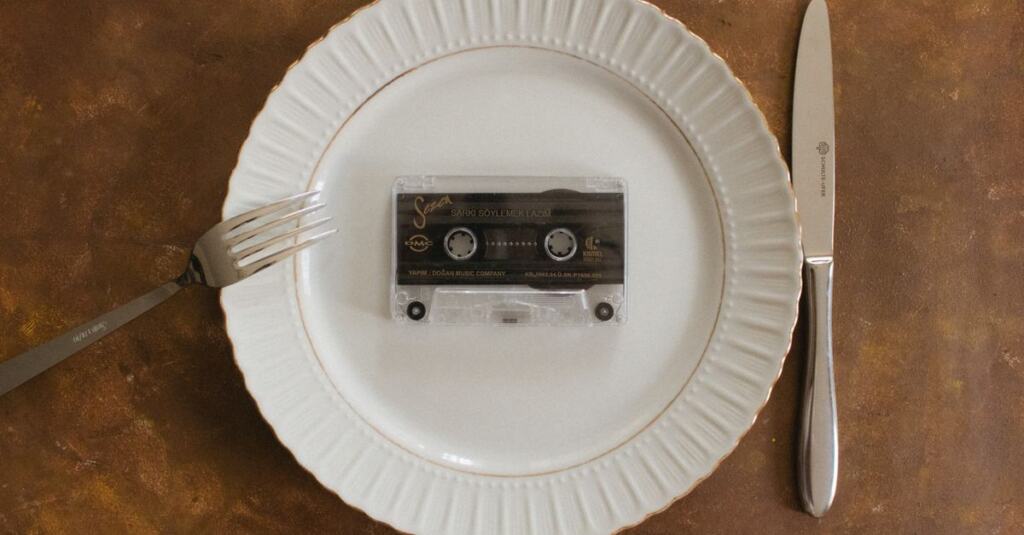
The starting point is a recording. In the test disc sense, a producer has a master to check before the record is pressed. The recording is cut onto acetate so it can be heard as a disc. That explains why the physical definition of dubplate belongs beside the musical one. The disc offers a way to play and judge a recording before treating the pressed record as the finished release.
A customized version begins with a different decision. The people making it want a song that serves a particular sound. A vocal or other recognizable part of the recording can carry that identity. The result is then prepared for the selector to play. The point is not simply to alter a song for the sake of difference. The version needs to make sense in a dance, where its intended audience can hear whom it addresses.
The history connects those purposes without making them identical. Producers could take a test cut to a dance to hear it in use. Sound systems could also use one-off versions in competition. With the rise of sound clash culture, the Jamaica Gleaner reports, specials and one-off versions were cut to acetate to compete in a clash. Looking at the history of reggae music helps place that shift in a wider musical setting, but the practical link is straightforward. A disc that lets someone play an otherwise unavailable recording can also carry one made expressly for a sound.
For the listener, the making of a dubplate explains its unusual balance of familiarity and difference. The song may already have a recognizable shape. The version may then redirect attention toward a sound system, a selector, or a rival. That is why a dubplate is best understood through both its production and its use. The acetate explains how a recording reached the turntable. The customized performance explains what the sound wanted the dance to hear.