Street photography in Kingston, Jamaica, works best when the place, the likely subjects, and the photographer’s approach are considered together. A market calls for a different pace than a street corner. A portrait asks more of a stranger than a photograph of a wider scene. This guide compares Downtown Kingston, Parade, Orange Street, Coronation Market, and Half Way Tree by what a photographer might look for and when to try. It also draws a firm distinction between choosing a subject and assuming that every street is suitable for an unfamiliar visitor carrying a camera.
Where Are the Best Places to Photograph Street Life in Kingston?
The strongest choice depends on the photograph. A broad scene needs room to show its setting. A portrait depends on a willing subject. For a beginner, that distinction matters more than trying to cover every named location in a single outing.
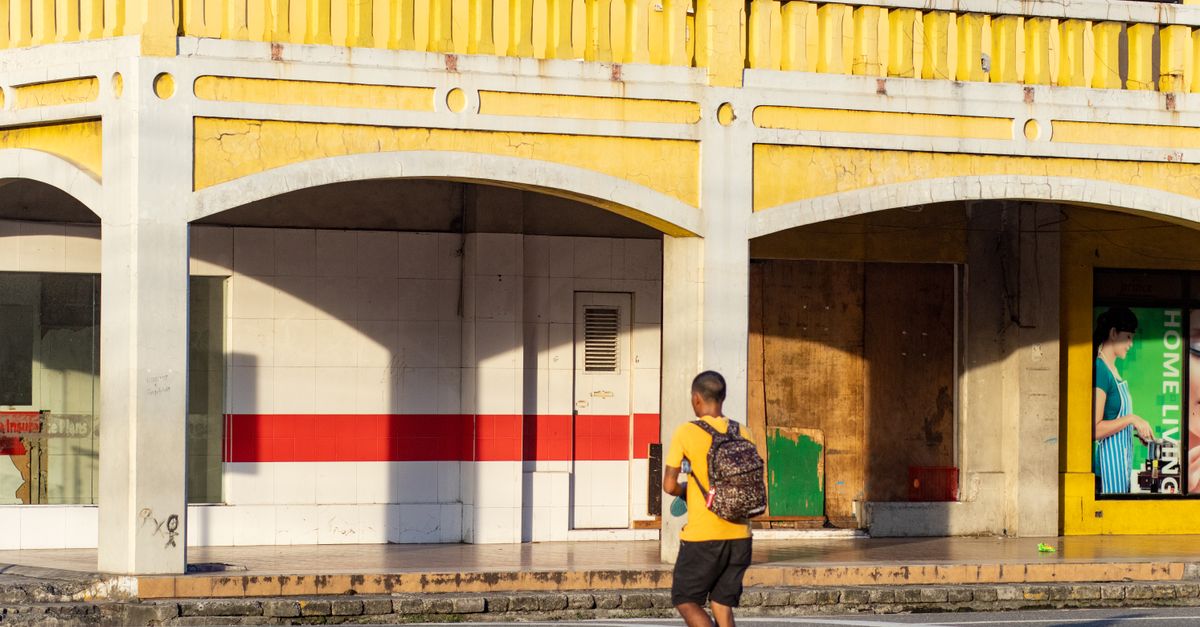
Downtown Kingston suits photographs built around the relationship between people and place. A photographer might look for figures crossing an open frame, conversations seen from a respectful distance, or details that establish the setting without making one stranger the entire subject. Daylight is a sensible starting point because it makes both the scene and nearby activity easier to read. Anyone unfamiliar with a particular block should seek local guidance before treating it as a walking route.
Parade offers a more focused assignment within a wider Downtown Kingston visit. Rather than pointing a camera at every passing face, a photographer can choose a background, wait for a person to enter the frame, and make a photograph that says something about movement. This is a place to work deliberately, not to stop in someone’s path for a better angle.
Orange Street may appeal to photographers interested in storefronts, signs, and the way people occupy a street. Those are subjects to look for, not a promise of what will be visible on any visit. Daylight gives a beginner more time to assess a scene and decide whether a close photograph would feel intrusive. Local guidance is advisable before exploring unfamiliar stretches with a camera.
Coronation Market is the clearest choice for photographers drawn to market activity. Lonely Planet describes it as the biggest market in the English-speaking Caribbean. A visitor hoping to photograph exchanges between shoppers and sellers should first consider whether a camera is welcome. Busy does not mean public consent.
Half Way Tree offers a different exercise. A photographer can look for gestures, people in motion, and the pause between movements, while leaving space in the frame for context. It is a useful alternative for someone more interested in fleeting street scenes than market portraits. For a broader view of subject choices beyond Kingston, street photography in Jamaica provides a related starting point.
Is It Safe to Take Photos in Downtown Kingston?
The question “Is Kingston safe for photographers?” cannot be answered responsibly with a blanket yes or no. Conditions can differ from one street to the next, and a scene that looks photographically interesting may still be a poor place for an unfamiliar visitor to pause with visible equipment. Local guidance is advisable for Downtown Kingston, particularly when a photographer plans to move beyond a familiar, agreed route.
Safety also involves the people being photographed. A person shopping, working, or waiting may not want to become the subject of a close portrait. The practical approach is to ask before making a recognizable photograph at close range. If someone declines, the photograph ends there. A distant frame that includes people as part of a wider scene can be less confrontational, but distance does not excuse ignoring a clear objection.
Coronation Market illustrates why a crowded setting deserves careful judgment. Jamaica Observer reported scores of shoppers there early in the morning before a weekend lockdown in March 2021. That account documents a particular morning, not a standing forecast of crowd levels. In a busy scene, the photographer’s attention can narrow to the viewfinder. Someone trying to hold a position, manage equipment, and approach strangers at once can lose track of what is happening nearby.
A restrained kit can help a photographer stay attentive. The best camera for street photography in Jamaica is not necessarily the most conspicuous one. Equipment should support the photograph without becoming the reason a person lingers in an uncomfortable spot. If the setting feels uncertain, putting the camera away and leaving is a sound decision, not a missed opportunity.
What Time of Day Is Best for Street Photography in Kingston?
There is no single best time for every Kingston location. The useful question is what the photographer wants the picture to show. Daylight can make a wider street scene easier to compose and a new setting easier to assess. Earlier light may suit a quieter study of shapes and movement. Stronger light can produce harder shadows that work well for a graphic frame but make faces more difficult to photograph gently.
For Downtown Kingston and Parade, a daylight visit gives a beginner a chance to choose a background and observe movement without rushing a decision. A photographer seeking people in motion might wait for a gesture or a moment of separation between figures. Someone seeking a portrait needs enough time to ask, listen, and accept a refusal. Those are different tasks, even when the camera is pointed in the same direction.
For Orange Street, the better time is the one that gives the intended subject enough light. Details on a building or sign may call for a different angle than a photograph of people passing through the frame. A photographer can test the composition without photographing a recognizable person, then decide whether the human element adds anything worth asking for.
At Coronation Market, timing should be chosen with the market’s activity and the photographer’s ability to work respectfully in mind. Lonely Planet notes particularly strong Saturday shopping activity. That may offer more potential subjects, but it can also make a careful exchange with an individual harder. A quieter-looking moment can yield a clearer photograph than the densest scene.
For Half Way Tree, the subject may be a brief gesture rather than a particular person. Daylight allows a photographer to watch how figures enter and leave a frame before raising the camera. The strongest time is when the light supports that chosen composition and the photographer can remain aware of the surroundings. Exact sunrise and sunset times are not needed to make that judgment.
Which Areas Should Visitors Avoid With a Camera?
No responsible place-by-place guide can label every part of Kingston permanently safe or unsafe. The clearer rule is to avoid entering an unfamiliar stretch of Downtown Kingston, Orange Street, or the streets around Parade with a visible camera without current local guidance. That advice does not condemn those places. It recognizes the limits of a visitor’s knowledge of a particular route, moment, or interaction.
A visitor should also avoid working anywhere a subject objects, an interaction becomes tense, or the photographer cannot keep track of the immediate surroundings. These are observable reasons to stop, unlike a fixed list that may encourage false confidence elsewhere. At Coronation Market, a person’s refusal matters more than the appeal of the frame. At Half Way Tree, a passing moment does not justify following someone who has shown no interest in being photographed.
Local guidance is most useful when it is specific. A photographer can ask whether a proposed route makes sense for the intended subject, whether a camera would attract unwanted attention there, and whether another setting would allow more patient work. An answer about one part of a place should not be stretched into an assurance about every nearby street.
The same caution applies when considering subjects outside the locations compared here. Port Royal Jamaica photography calls for its own planning rather than assumptions carried over from Kingston street scenes. A photographer who cannot establish a comfortable way to work in a particular area can choose another frame, another route, or another day. The photograph is optional. Respect for the people in it is not.