The best time of day to photograph in Jamaica depends less on a single clock time than on the quality and direction of available light. Golden hour can give streets a softer look. Tropical sun can create strong contrast that demands more deliberate Exposure settings. A photographer who plans for both conditions can work with changing light rather than wait for a perfect forecast. The aim is simple. Match the scene, the subject, and the camera setup to the light that is actually present.
What Is the Best Time of Day to Shoot in Jamaica?
Golden hour is often the most comfortable starting point for street scenes. Lower sun can produce gentler transitions between bright areas and shadows. It can also add shape to walls, clothing, pavement, and faces without the severe contrast associated with a high sun. As Adorama explains, the photographer may need to open the aperture or use a slower shutter speed than a Sunny 16 starting point because the sun sits lower.
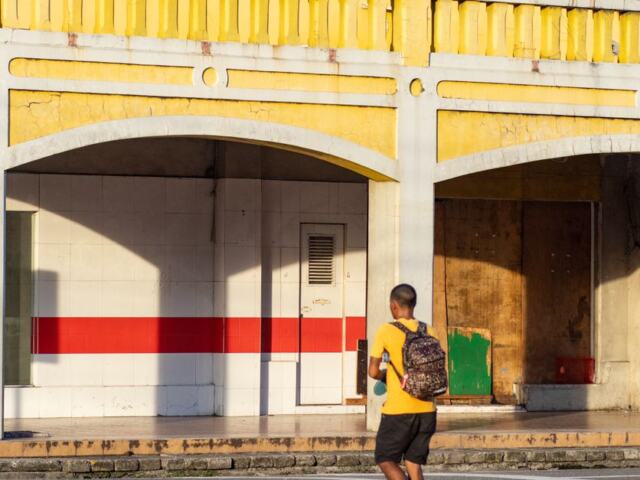
That does not make other light useless. Morning and later day light can suit walking subjects, storefront details, and scenes where long shadows help organize the frame. The key is to watch where light lands. A face turned toward direct sun may look very different from a face turned slightly toward a shaded wall. A small change in position can be more useful than changing several camera controls.
Open shade is a practical alternative when direct sunlight is difficult. It is found where a building, tree, or other object blocks the sun while the subject still receives light from the open sky. A photographer can use it to reduce harsh shadow edges and keep attention on expression or gesture. According to B&C Camera, shade can be created by trees, buildings, or another object that blocks the sun, and an umbrella can create shade as well.
A monthly sunrise and sunset table should be based on a cited astronomical source. No such source is included here, so it should not be used as a fixed planning calendar. Instead, the reader can arrive with enough flexibility to assess the light at the location. A short scouting walk can reveal which side of a street receives direct light and which areas offer open shade.
Street work also benefits from restraint. A good frame does not require dramatic color in every corner. Sometimes soft light helps separate a person from a busy background. Sometimes harder light makes the geometry of a scene more convincing. For broader composition ideas, street photography in Jamaica. Camera choice also affects how easily a photographer can respond when the light shifts. Related guidance appears in best camera for street photography in Jamaica.
How to Handle Harsh Midday Sun
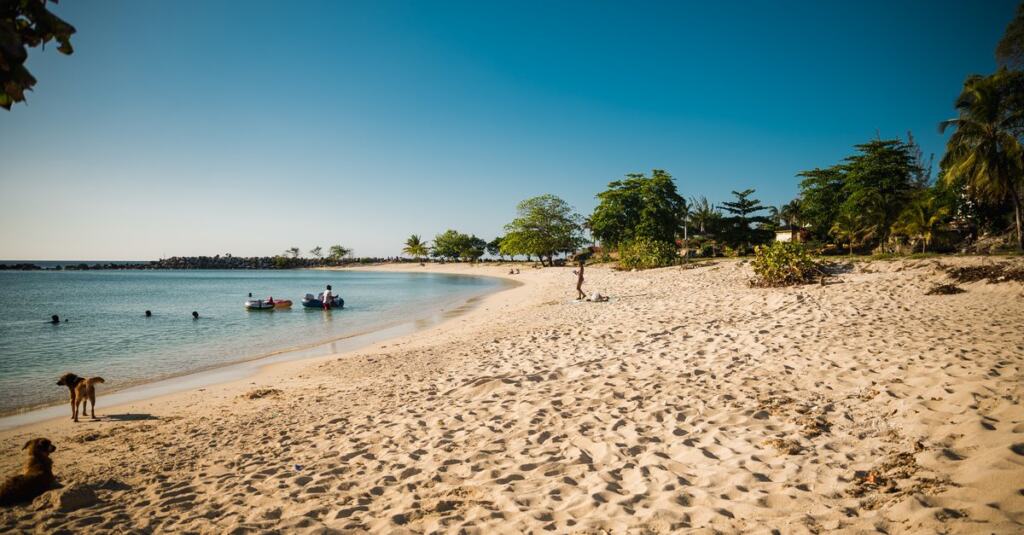
Harsh midday light is difficult because it can create bright highlights alongside very dark shadows. According to B&C Camera, it may cause a subject to squint or wash out the image completely. The photographer should decide what matters most before pressing the shutter. If facial detail matters, exposure should protect the face rather than a bright wall or pale pavement behind it.
Moving the subject is often the cleanest response. A person can step beneath an overhang, beside a building, or near a tree where open shade reduces the direct light. The background still deserves attention. Deep shade behind a bright subject can look distracting, while a simpler shaded background can make the frame feel calmer. B&C Camera also describes a reflector as a smart investment for bright sunlight.
Direct sunlight can still support strong street photographs when it is treated as part of the design. Look for silhouettes, sharply defined shadows, repeating shapes, and subjects crossing from bright areas into darkness. Exposure settings should be chosen for the intended result. Preserving the brightest areas may turn less important parts of the frame dark. That can be a deliberate visual choice rather than a mistake.
Patience matters in these conditions. A photographer can first find a useful patch of light or shade, then wait for people to pass through it. This approach avoids chasing every movement through a cluttered scene. It also makes composition easier because the background is already selected. The resulting photograph can feel observant instead of hurried.
Water, pale walls, glass, and reflective surfaces can complicate the frame. The photographer should check the image after a few exposures and look for lost detail in bright areas. A different angle may reduce glare more effectively than a large exposure adjustment. When people are involved, a brief pause in open shade can also make the scene more comfortable for them.
For location focused ideas, the reader can review Montego Bay street photography. The same principle applies anywhere. Work with the available light, simplify the background, and let the contrast serve the subject.

What Settings Work in Bright Light?
Exposure settings for bright light can begin with the Sunny 16 rule. In manual mode, B&C Camera gives one starting point of f/16, 1/100 second, and ISO 100 in bright sunlight. This is a starting point, not a substitute for checking the image. Light reflected from surfaces and changes in cloud cover can alter what the camera needs.
As Adorama describes it, the rule pairs an f/16 aperture with a shutter speed that matches the reciprocal of the ISO. Photographers typically begin at ISO 100. It is suited to times when the sun is high, from middle morning through late afternoon. Partial cloud cover or changing light can make it less reliable.
For a person moving through a bright street, shutter speed deserves close attention. B&C Camera suggests a shutter speed between 1/100 second and 1/250 second for bright sunlight. The photographer can then review the frame and adjust based on motion, brightness, and the desired depth of field. There is no reason to treat one setting as permanent for every scene.
Aperture controls both exposure and how much of the scene appears sharp. A narrower aperture can help retain detail across a street scene. A wider aperture can place greater emphasis on one person or object when background separation is the goal. ISO should generally remain as low as practical when light is abundant, then other controls can be adjusted with purpose.
Metering requires judgment when a frame contains both direct sun and shade. The photographer should inspect important highlights and shadows after an exposure. If the subject is too dark, moving into open shade or changing the composition may work better than forcing a large correction. If bright areas lose detail, protecting those areas may produce a more usable image.
Camera automation can help, but it does not remove the need to observe. A beginner can use an initial exposure, examine the result, and make one change at a time. That slower method builds an understanding of Tropical sun, Golden hour, and exposure control. Over time, the best time of day to photograph in Jamaica becomes less about a fixed answer and more about recognizing what each kind of light can do.