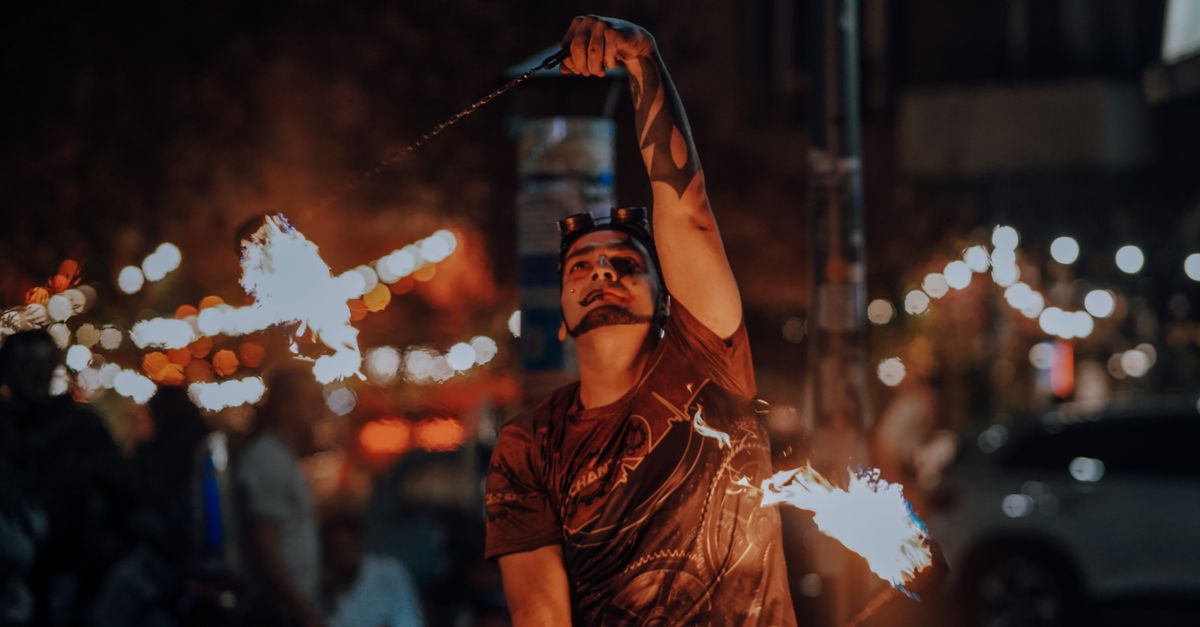
A street dance can change faster than a photographer can adjust a camera. A dancer steps into the light, the crowd closes around the action, and a clear view disappears. Learning how to photograph street dance at night means preparing for movement without losing the setting that gives the photograph meaning. At a sound system street dance, the strongest frame may show the dancer, the people nearby, and the surrounding street together. This guide covers where to stand, how to approach low-light settings, and when to ask permission. The aim is a set of photographs that records the event clearly while respecting the people in it.
How to Photograph a Jamaican Street Dance
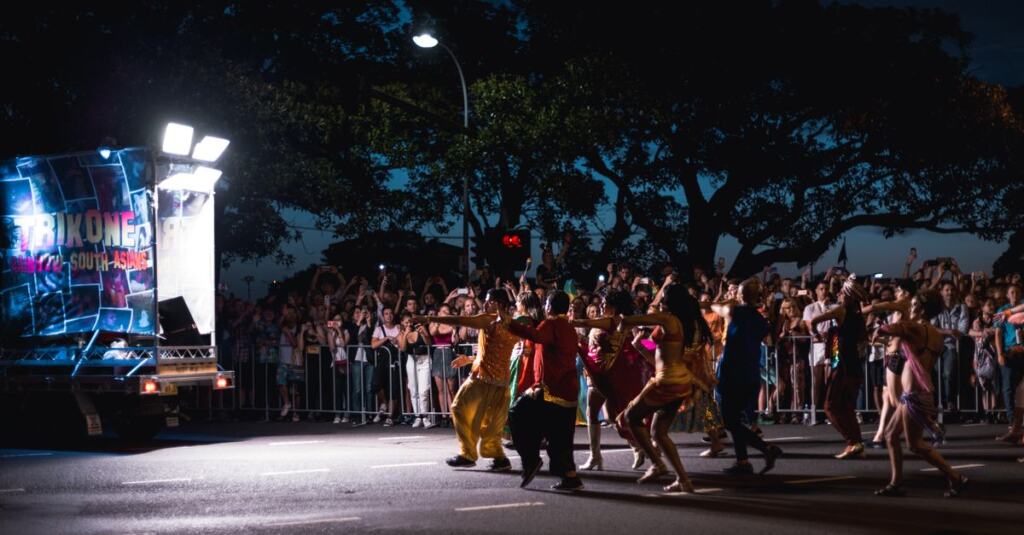
Position matters before camera settings do. A photograph of a street dance needs a clear subject, but it also needs enough context to show where the movement is happening. The photographer should look for a place with a view of the dancers, the sound system, and the people responding to the music. Standing close to the action can make an expressive frame. Standing back can show how the dance occupies the street.
Passa Passa offers a useful reference for this approach. Weekly dancehall events such as Passa Passa on Spanish Town Road provided a platform for dancers to showcase their talent, according to the Jamaica Observer. That account points to an important photographic choice. The dancer deserves attention, but the audience and setting help explain the performance. A tight photograph of a face and a wider photograph of the same moment can tell different parts of the story.
The photographer can begin with a simple visual plan:
- Make a wide frame that establishes the street dance and the sound system.
- Watch where dancers repeatedly enter a clear patch of light.
- Keep an unobstructed view of faces, hands, and feet when movement is the subject.
- Make quieter frames of the crowd and surroundings when the main action pauses.
Anticipation is more useful than chasing every move. The photographer can select a promising background, settle on a position, and wait for a dancer to move through it. A burst of photographs may help when an expression or gesture changes quickly, but it should not replace watching the scene. Reviewing a frame between performances can reveal a distracting edge or a subject lost against the background.
Weekend Kingston may bring many possible subjects into view, yet an event schedule should never be assumed from a label or a past photograph. The photographer should confirm current details directly with event organisers before making plans. For broader location ideas, street photography in Jamaica offers a useful companion to this dance-focused approach. Readers planning other event work can also explore Jamaica festivals to photograph.
Dancehall belongs in the description of the scene, not in a substitute story about every person pictured. Captions should identify only what the photographer can verify. When a name or event detail is uncertain, a plain description is more reliable than a confident guess.
What Settings Work for Night Events?
The setting that protects a photograph of a moving dancer is the shutter speed. A bright-looking frame can still fail if the dancer is blurred beyond recognition. The photographer should decide whether the image needs sharp movement or intentional blur, then adjust exposure around that choice. No preset works equally well across every position at a night event.
For handheld shooting, Shotkit advises keeping shutter speed no slower than the lens focal length to avoid camera shake. Its example is a 200mm lens at no slower than 1/200 second. PictureCorrect, by contrast, describes around 1/60 second for wide-open shooting. These are different starting points for handheld work, not promises that either setting will stop a dancer. A photographer should inspect actual frames for both camera shake and subject blur.
Shutter Priority can keep the selected shutter speed from falling too low, according to Shotkit. At the event, the photographer can select a speed intended to hold the movement, photograph a short sequence, and check whether the subject is sharp enough. If the light changes, the settings and the results need another look. A camera manual can help locate the relevant controls without relying on an unfamiliar menu during the dance.
A wide aperture admits more light, but it leaves a shallower area in focus. That makes accurate focus on a moving subject more demanding. Raising ISO can help record a darker scene, though higher settings bring more visible noise. PictureCorrect describes both the shallow focus of wide-open shooting and the grainier result of higher ISO. The practical order is to check focus and movement first, then decide how much noise is acceptable in the frame.
The photographer can choose a spot where a dancer crosses a visible pool of light and focus on that area before the movement reaches it. This reduces the need to search for focus at the most expressive instant. A background with clear separation from the dancer can also help the resulting photograph read well, even when the light is uneven.
A tripod may steady a static view of the street, but it cannot hold a moving dancer still. The photographer should treat an intentionally blurred dancer as a creative choice rather than an exposure mistake. A sharp surrounding scene can give that movement a readable shape. The decision belongs in the frame itself, not in a fixed rule for all night photographs.
Is Permission Needed at Dances?
Permission matters because a street dance is an event attended by people, not a set arranged for a camera. The photographer should ask event organisers about any photography rules before working near a performance area. If access to a particular position is uncertain, asking is better than assuming that an open space is available. A direct answer also helps the photographer plan without interrupting the action later.
Respect for individuals requires a separate judgment. When making a close portrait, the photographer can ask the person pictured and accept a refusal without debate. That is particularly sensible when someone notices the camera and appears uncomfortable. A wider scene may call for a different approach, but an objection should still be taken seriously. The photographer can lower the camera, move on, or leave that frame unused.
Flash deserves the same restraint. If its use has not been cleared with the organisers and the people directly affected, the photographer should not treat it as a solution to poor light. It can pull attention away from a performance and change the experience of those nearby. Working with available light may require patience and a more selective choice of frames.
The photographer should also think about the photograph after the event. A caption can distinguish what is visible from what is merely assumed. Permission to stand near a dance does not make a stranger’s identity or intentions known. Before publishing a close image, the photographer can consider whether its framing gives fair context and whether a request not to use it has been made.
The same care applies beyond dance events. Treasure Beach Jamaica photography offers a different setting in which attention to people and place remains important.
Good night dance photographs begin with a clear view, a deliberate choice about movement, and respect for the people who make the event possible. The reader can prepare camera controls, confirm arrangements with organisers, and then concentrate on a small set of meaningful frames. When a photograph preserves both the performance and its surroundings without forcing either, the street dance remains the subject.