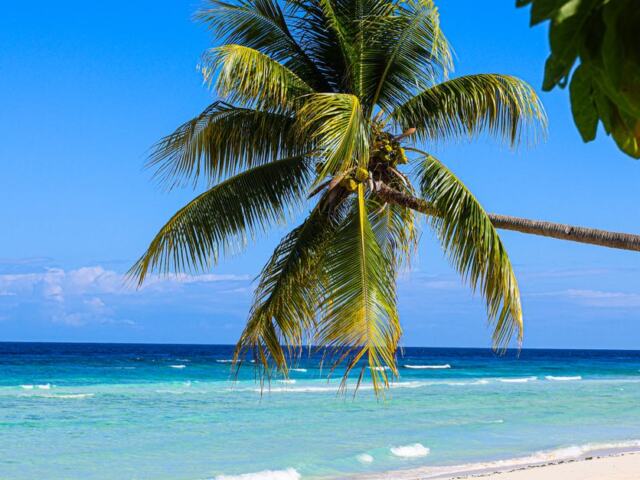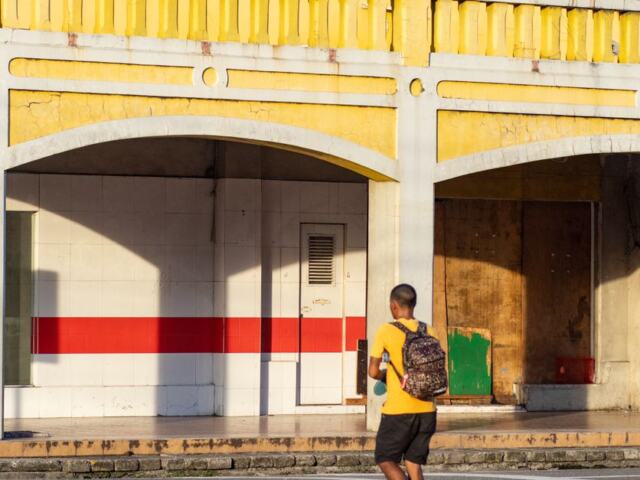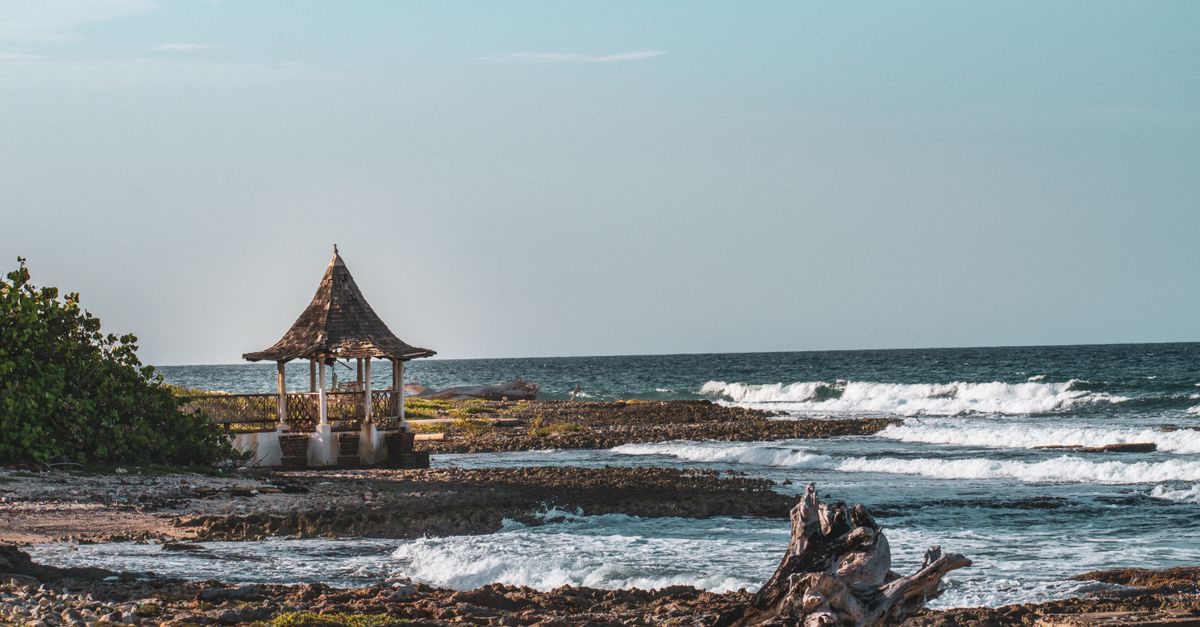
Treasure Beach Jamaica photography calls for a different approach from photography in a capital city. The subject is not a skyline or a crowded intersection. It is the relationship between a working shoreline, the people who use it, and the rural setting around it. Treasure Beach is a coastal fishing village in St Elizabeth, with four main bays and a welcoming local atmosphere, according to the Jamaica Tourist Board. Those details give a photographer a useful starting point, but they do not make every boat, doorway, or person available as a subject. Observation comes first.
Where to Photograph Rural Life in Jamaica
Treasure Beach offers a way to photograph rural and coastal Jamaica without treating the landscape as empty scenery. A wide frame can show where a boat sits in relation to the beach. A closer frame might show a repaired surface, a fishing line, or the shape of a hull. Neither approach needs to turn a stranger into an unwilling focal point.
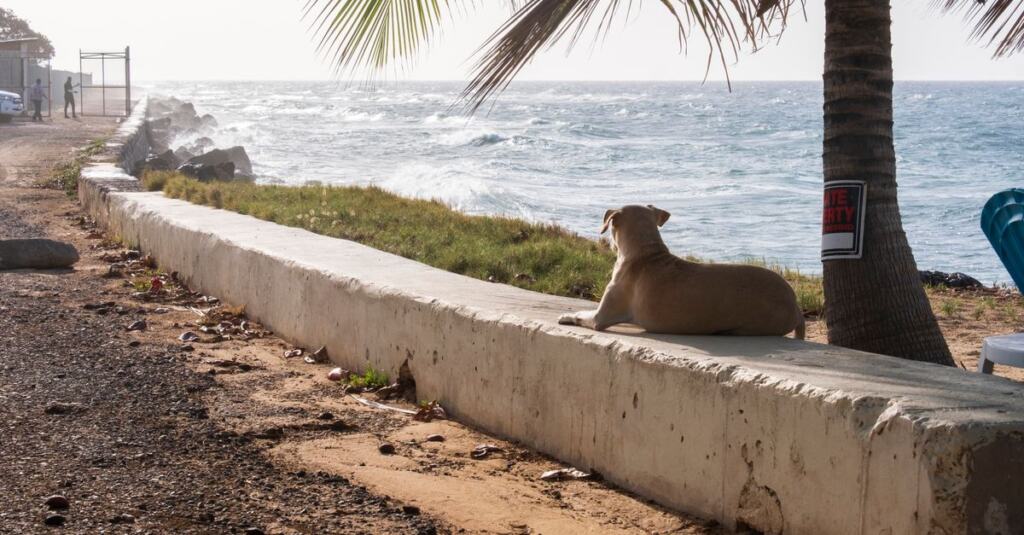
The area’s main bays are Billy, Calabash, Great, and Frenchman’s. The shoreline includes coral-colored and occasionally black sand along a six-mile stretch, according to the Jamaica Tourist Board. For a photographer, that variation is a reason to study backgrounds as carefully as subjects. Sand, water, boats, and buildings can compete within the same frame. Changing position may do more than changing equipment.
Rural life also appears away from the water. A photographer might look for the visual connection between a road, a yard, and the coast, rather than collecting isolated pictures of each. If a jerk stand is open, its sign, cooking area, and surroundings may tell more about its place in the community than a close photograph of a person working there. Permission matters before photographing staff, customers, or private property. An invitation to buy food is not automatically an invitation to make portraits.
Light deserves the same attention as subject matter. Strong sunlight can make pale ground bright and leave shaded faces difficult to expose. A beginner can check the brightest parts of the frame, then decide whether a person belongs in the image at all. Backing away can preserve the wider setting and reduce the pressure that a camera pointed at close range can create.
The distinction from street photography in Jamaica is not a strict rule about genre. It is a question of pace and attention. A roadside scene may reward quick observation. A fishing beach may require waiting until activity can be understood before making a photograph. In either setting, people should remain more than visual evidence of a photographer’s visit.
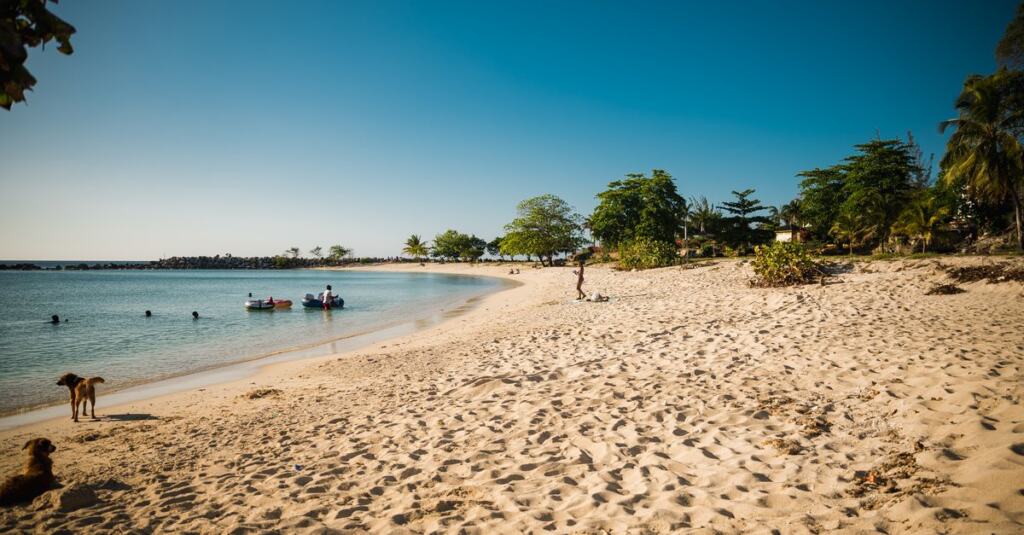
What Are the Best Fishing Villages to Visit?
For Treasure Beach Jamaica photography, the most useful question is not which fishing village ranks highest. It is which setting suits the intended photographs while allowing working space to remain working space. Billy’s Bay and Calabash Bay provide specific starting points. Both have documented fishing activity, but neither should be approached as a guaranteed scene arranged for visitors.
At Billy’s Bay Fishing Village, the National Fisheries Authority has run pelagic fishing training for fishers, according to the Jamaica Information Service. That context makes fishing practice a more serious subject than a collection of colorful boats. A photographer who wants to document work should ask before moving near gear, interrupting a task, or making recognizable portraits. Details photographed from an appropriate distance can establish the setting without suggesting that access to someone’s labor is owed.
Calabash Bay Fishing Beach calls for particular care. Fishermen there were gradually returning to the sea in April 2026, months after Hurricane Melissa, according to The Gleaner. That report is context, not permission to frame every current scene as a disaster story. Conditions can change. A photograph should show what is present, while any caption about recovery should be grounded in what the photographer can verify.
Great Bay and Frenchman’s Bay offer other names to consider when planning a walk around Treasure Beach. Rather than assuming that each bay provides the same kind of fishing scene, a photographer can examine the shoreline and decide whether the strongest subject is a broad coastal view, a built detail, or an interaction that calls for consent. The village is not a single backdrop.
Fishing villages are often photographed through familiar shorthand, such as weathered wood and boats pulled ashore. Those elements can be visually strong, but repetition can flatten the differences between places. A more careful sequence might begin with an establishing view, move to a detail that explains how a space is used, and end with a frame that leaves room for its surroundings. If people become central to that sequence, the photographer should explain the project plainly and accept a refusal without argument.
The same restraint applies to photographs made elsewhere. Montego Bay street photography may call for different framing decisions, but a busy location does not erase the need to consider context. At Treasure Beach, the slower-looking image can often carry more information than the hurried close-up.
How to Travel There
Travel planning should begin with the purpose of the photographs, not a list of scenes that must be collected. Treasure Beach is in St Elizabeth on Jamaica’s south coast. That location, identified by the Jamaica Tourist Board, gives a reader a sound geographic starting point. It does not establish a journey time from Kingston or a reliable arrival time at any bay. The Jamaica Observer describes Treasure Beach as about 30 miles from Mandeville, in dry, hot south St Elizabeth.
Road reports also need to be read in context. A 2023 Jamaica Observer report described a proposed westward highway extension and said it would reduce travel time from Kingston to Treasure Beach. A 2026 Gleaner reader letter instead described the drive from Montego Bay as lasting multiple hours over difficult roads. The accounts concern different routes and different dates. Neither supplies a dependable travel time for a particular photographic trip.
Before departure, a photographer can confirm the intended destination and current route with a local contact. Leaving the schedule flexible is more useful than planning a photograph around an assumed arrival. According to a 2026 Gleaner reader letter, most visitors to Treasure Beach come from Montego Bay. If the aim is to work at a fishing beach, time spent finding an appropriate place to stand and speaking with people should be part of the plan, not treated as a delay.
Equipment choices can follow the same principle. A compact kit makes it easier to move without setting gear in someone’s path. A wider view can hold the relationship between shore and village, while a tighter frame can isolate a detail without requiring a close approach to a person. The useful lens is the one that lets the photographer work respectfully from an appropriate position.
The Jamaica Observer has described Treasure Beach as a model of community tourism. Local hoteliers quoted in its report wanted that character to remain part of the area’s future. For visitors with cameras, community is not just an attractive theme. It is a reminder that photographs are made in places where people live and work. Those interested in a different kind of low-light public setting can read about how to photograph street dance at night. At Treasure Beach, attention belongs first to the place in front of the lens and to the people who share it.