Street photography in Jamaica asks more of a photographer than a quick reaction to color or movement. A strong frame can show how people occupy a shared space, but the act of making it can change that space. A person may welcome a portrait, refuse it, or simply want to know where the image will appear. Those responses matter as much as the light.
This guide treats location, consent, safety, and camera choice as connected decisions. It starts with Kingston and considers other places without treating any neighborhood as an open set. It also places contemporary street work within a longer photographic culture. The aim is not to collect faces indiscriminately. It is to make pictures that retain the character of a place while respecting the people whose lives give that place meaning.
Where Are the Best Places to Take Street Photos in Jamaica?
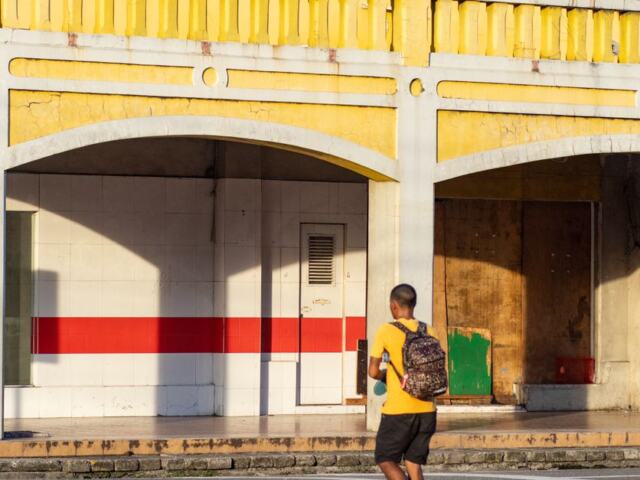
Kingston offers a useful starting point for street photography in Jamaica because a photographer can build a project around ordinary public activity rather than wait for a spectacular event. A crossing, a storefront, or the space between people in a queue can carry a picture. The question is what the scene says beyond its color. Does it show a routine, a relationship, or a change in pace?
A location-led approach begins with a modest assignment. A beginner might photograph how people move through a public space, then return to look for a more precise frame. Staying with a subject helps prevent a collection of unrelated images from standing in for a place. For more focused planning, street photography Kingston Jamaica offers a route into the city as a subject, while a Kingston photography tour is a separate planning option.
Trench Town calls for particular care. Charlotte C Mortensson has recorded its social housing for almost two decades while working with local historians and residents, according to the RSA Annual Exhibition. That sustained, collaborative approach is more useful as a model than treating the area as a backdrop. The same source notes that Bob Marley’s tenement yard home is now part of Culture Yard, a museum. A photographer interested in the surrounding streets should still distinguish a public-facing landmark from someone’s everyday living space.
Tivoli Gardens deserves that same distinction. A neighborhood name is not an invitation to photograph residents. Without a local relationship or a clear reason for making the work, a distant view of a street may say less than a carefully observed scene elsewhere. Jamaica daily life photography provides a better organizing idea than searching for an image that merely appears dramatic. Port Royal Jamaica photography offers another subject for a dedicated outing.
Beyond Kingston, Montego Bay street photography and Negril photography spots can help narrow the scope of a visit. The same principle applies in each place. Look for an activity or visual question before choosing a frame. Someone drawn to work and exchange might explore Jamaica craft market photography. Someone interested in quieter surroundings might consider Treasure Beach Jamaica photography.
Events change the pace and expectations around a camera. Jamaica festivals to photograph and how to photograph street dance at night address those subjects more directly. An event may be visible from the street, but visibility alone does not settle whether a close photograph of a person is welcome.
Is It Safe to Photograph People in Kingston?
There is no useful citywide answer to that question. Safety depends on the immediate setting, the people involved, the photographer’s behavior, and whether the camera is drawing unwanted attention. A sensible decision is made at the scene, not from a blanket description of Kingston.
Before raising a camera, a photographer can look for room to pause without obstructing anyone. If a person notices the lens and appears uneasy, lowering it is a clearer response than trying to finish the shot quickly. If a conversation becomes tense, leaving is more important than explaining the artistic intent. A picture rarely improves when its subject feels cornered.
Preparation should be similarly restrained. Carry gear that can be managed without spreading it across a sidewalk. Keep bags closed when they are not in use. Avoid becoming so absorbed in the viewfinder that the surrounding activity disappears. Where a location is unfamiliar, a photographer can seek informed local company rather than assume that a street seen online will feel the same on arrival. None of these habits guarantees safety. They make it easier to notice when a plan needs to change.
The distinction between public space and personal access matters here. A photographer may be able to see into a home, workplace, or gathering from outside. That does not make a close image considerate. In Kingston, including Trench Town or Tivoli Gardens, an unfamiliar photographer should not treat curiosity as permission to enter a social space. The safer photograph may be a wider composition that shows the setting without isolating a reluctant person.
Safety also includes what happens after the shutter closes. Before sharing an identifiable image, a photographer can ask whether the frame exposes someone to attention that the person did not seek. A face that strengthens the composition is not automatically necessary to the story. Cropping, choosing another frame, or leaving an image unpublished can be sound editorial decisions.
This is not an argument for avoiding people. Street photography depends on observation, and many meaningful pictures involve human presence. It is an argument for keeping a usable exit from the interaction. A calm refusal, a lowered camera, and a willingness to move on let the photographer continue working without asking a stranger to bear the cost of a photograph.
How to Ask Permission to Photograph Locals in Jamaica
Permission is most straightforward when the photographer explains the intended photograph before making it. A brief introduction, a gesture toward the camera, and a plain description of the subject give the other person a real choice. The request should be specific. Asking to photograph someone at work is clearer than asking vaguely for “a picture.”
The photographer should also be honest about intended use. A private study, a social post, and an editorial project are different propositions for the person in the frame. If publication is possible, saying so before taking the photograph avoids a misleading exchange. Permission for a portrait should not be stretched into permission for every later use.
A refusal needs no negotiation. Thank the person, put the camera down, and move away. Silence or uncertainty is not a yes. The same applies when someone agrees and then changes their mind. The aim is an interaction the subject can end, not a practiced speech designed to overcome hesitation. This approach can mean losing a frame. It can also lead to more attentive work.
Not every photograph allows for a conversation beforehand. A wider street scene may unfold too quickly, or speaking might alter the moment that interested the photographer. In those cases, distance and framing become important judgments. A person shown as one part of a larger scene presents a different request than a lens held close to an identifiable face. If someone objects afterward, the photographer can stop and listen rather than argue that the camera was in a public place.
Consent also shapes how a project is edited. A photograph can be visually strong yet reduce its subject to an expression, a difficult moment, or an assumption the photographer cannot verify. Captions should stick to what is known. An image should not claim a person’s motives, circumstances, or identity on the strength of a glance.
This care is especially relevant when photographing work. A seller or craftsperson may be in view, but the photographer’s interest does not erase the person’s task. Jamaica craft market photography addresses that kind of encounter in greater depth. For a street portrait, the practical standard remains simple. Ask clearly, accept the answer, and make only the photograph that was agreed upon.
What Camera Gear Works Best in Jamaican Heat and Sun?
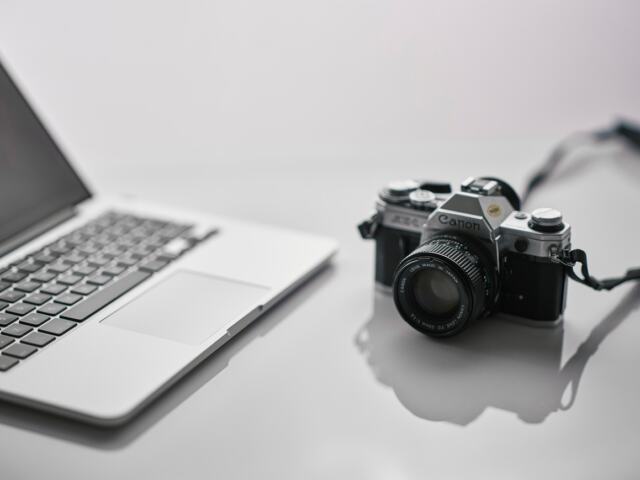
The best camera is the one a photographer can operate quickly while staying aware of the street. A familiar, manageable setup usually serves that purpose better than a bag full of options. A beginner can practice changing exposure and focus without looking down for long. That leaves more attention for the scene and for anyone affected by the camera.
Bright sun can create hard differences between a lit surface and a shaded face. Rather than trying to preserve every tone in a single frame, a photographer can decide which part of the scene carries the picture. Expose for that subject, check the result, and adjust if important detail has disappeared. Moving a short distance may produce a more useful relationship between light and shadow than changing a setting. best time of day to photograph in Jamaica explores the timing question alongside camera settings.
A small lens can make a camera easier to carry and less cumbersome to raise. That is a handling advantage, not a license to get close to a stranger. A longer lens may preserve physical distance but can also make the photographer less aware of what lies outside the frame. Neither choice solves the social questions of street work. best camera for street photography in Jamaica considers gear choices in more detail.
A phone can be a reasonable tool when it is the device a photographer knows best. It allows quick framing without adding another bag, though the ease of making an image should not change the standard for asking permission. smartphone photography Jamaica is useful for photographers choosing that approach.
Heat and sun also affect working habits. A photographer can plan shorter periods of concentrated shooting, put equipment away while talking to someone, and check images without blocking a path. Careful handling matters more than elaborate equipment. Later, editing should preserve the relationship between light and subject rather than flatten every shadow or intensify every color. edit tropical photos Lightroom covers that later stage. The strongest technical decision may be the simplest one, choosing a frame that needs little repair because the photographer read the light before pressing the shutter.

Who Are the Notable Jamaican Photographers?
A photographer studying Jamaican street work should look beyond a list of celebrated names. Exhibitions, archives, and long-term projects show how photographs have been made, selected, and understood. They also offer a useful check on the tendency to treat a striking street scene as if it speaks for an entire place. famous Jamaican photographers is a starting point for further study.
Albert Chung is one named figure in that record. Caribbean Beat described him as an internationally known Jamaican photographer and reported an exhibition of his work at Chelsea Gallery in Kingston. The same account described StudioArt in Kingston as a gallery devoted exclusively to photography. Those details point to places where photographs received attention as work to be exhibited, not merely as passing records.
The institutional picture matters too. Caribbean Beat reported that photography had been added to the categories considered for the National Gallery of Jamaica’s National Exhibition. It also reported that gallery director David Boxer was researching Jamaican photography from its origins in the 1840s. Such research suggests a wider history for anyone tempted to view contemporary street photography in isolation.
Photography has appeared alongside other forms of art at the National Gallery of Jamaica. The Gleaner reported that The Face of Us included photographs as well as paintings and installation projects. A street photographer looking at exhibition work can ask a practical question. How does the choice of frame, sequence, or setting change what an audience understands about the people pictured?
The record is not limited to gallery displays. The National Library of Jamaica holds a record of a photography exhibition mounted in the Marcus Garvey room of the New Kingston Hotel. Charlotte C Mortensson offers another model for study, although she is Swedish rather than Jamaican. Her work with residents and local historians in Trench Town shows why sustained attention and context matter when photographing a community.
For a developing photographer, studying these examples should lead back to the street with better questions. Who is represented? Who has helped explain the setting? What can the picture actually establish, and what has been assumed? Those questions do not dictate a single style. They help make street photography in Jamaica more precise, and more accountable to the people within the frame.