The best camera for street photography in Jamaica is the one that lets a photographer notice a scene, frame it quickly, and keep moving when weather changes. A long specification list does not settle that question. Street work rewards a camera that feels familiar in the hand, a lens choice that suits the intended framing, and a simple plan for heat, humidity, and sudden rain. The reader should build a kit around reliable handling rather than appearance or status.
What Camera Gear Is Best for Street Photography in Jamaica?
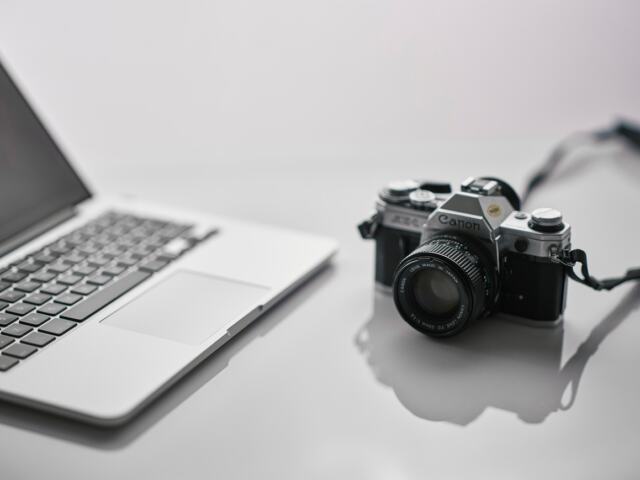
A practical street kit starts with restraint. A Mirrorless camera can be a sensible choice when its controls allow the photographer to change settings without losing attention from the scene. A camera body should feel secure when held one handed and should not turn each outing into a bag packing exercise. The best choice is often the model that a beginner will carry often and operate without hesitation.
A small bag, a secure strap, a charged battery, and a clean memory card are more useful than a crowded collection of accessories. Street photography is built around brief gestures, changing light, and unplanned encounters. Gear that demands repeated rearranging can pull attention away from the street.
The 35mm lens remains a useful starting point for people who want context around a subject without making every frame feel distant. Lens angle descriptions need care because the stated result can depend on the measurement used. On a full frame camera, a 35 mm lens has a long side angle of view of 54.43 degrees and a short side angle of view of 37.85 degrees according to Clarkvision. That information is useful as a reference point rather than a promise about every camera and lens combination.
A second source illustrates why specifications and independent measurement can differ. The official specification for the Nikon Z 35 mm f/1.2 S states an angle of view of 63 degrees. A star field measurement reported by LensTip came out at 65.60 degrees. The same review describes the lens as behaving like a distortion free lens of about 33.6 mm focal length. The reader should hence treat field of view labels as part of a starting decision, then learn the chosen lens through regular use.
For a closer look at subjects and locations, the related resource on street photography in Jamaica can help connect gear choices to the type of scenes a photographer expects to encounter. A quieter camera setup can support a calmer working manner. It does not remove the need for patience, awareness, or respect for people in public spaces. According to LensTip, a rectilinear 35 mm lens on a full frame sensor should provide an angle of view of 63.4 degrees.
- Choose a camera that can be carried without becoming a burden.
- Use one familiar lens before adding more options.
- Keep the bag organized so rain protection is reachable immediately.
- Set aside time to practice handling the camera before a street outing.
How to Protect a Camera From Humidity and Rain
Weather protection should be part of the buying decision for street photography in Jamaica. A camera does not need to be exposed for a photograph to be made. The sensible response to visible rain is to stop shooting when needed, cover the equipment, and move it to a dry place. A Rain cover belongs near the top of the bag rather than beneath lenses and cables.
Humidity requires a routine after the walk ends. The photographer should remove the camera from a wet outer bag, dry the exterior with a clean soft cloth, and leave the bag open long enough for trapped moisture to escape. A Silica gel packet can be kept in a closed storage container or camera bag as part of that routine. It should not be treated as permission to store visibly wet equipment. Any sign of moisture on the camera calls for caution and a pause before packing it away.
Lens changes create another moment of risk. The reader can reduce exposure by deciding on a lens before leaving and avoiding unnecessary changes outdoors. If a change is needed, the camera opening should face downward and the replacement lens should be ready beforehand. This is not dramatic technique. It is simply a slower and more controlled way to handle equipment when the air or street surface feels damp.
Battery care also benefits from routine. The photographer should carry a spare in a protected pocket or case and return used batteries to the same place each time. Loose accessories are easy to lose when rain begins and attention narrows. A small dry pouch for cards, batteries, and a cloth can make the response more orderly.
Light can change as quickly as weather. The planning notes on the best time of day to photograph in Jamaica offer useful context for preparing a camera before heading outside. Preparation matters because the best street moment rarely waits while a bag is opened.
After an outing, a simple inspection is worthwhile. The photographer can check the lens surface, the camera exterior, the bag lining, and the rain cover before putting the kit away. If equipment appears damaged or moisture seems to have entered it, the reader should follow the manufacturer instructions for that item. Avoiding improvised repairs protects both the camera and the photographs already on the card.
- Keep the rain cover accessible.
- Use a dry cloth for the exterior after exposure to rain.
- Store silica gel with dry gear as part of a regular routine.
- Limit lens changes when conditions are wet.
- Inspect the bag as well as the camera after each outing.
Is a Phone Enough?
A Smartphone can be enough when the photographer values speed, low attention, and the ability to work with a device already in hand. The question is not whether a phone qualifies as a serious camera. The question is whether it allows the intended photograph to be made before the scene disappears.
For a beginner, a phone can be a strong way to practice observation. It encourages the photographer to look for clean backgrounds, wait for a person to enter the frame, and notice how light falls across a wall or sidewalk. Those skills transfer to a dedicated camera. A phone also removes the pressure of learning every control at once.
Its limits are practical rather than philosophical. A photographer who wants a particular lens perspective, direct physical controls, or a more deliberate working process may prefer a Mirrorless camera with a 35mm lens. The choice should follow the pictures being pursued, not the opinion of strangers about what counts as real photography.
A mixed approach can work well. The smartphone can remain ready for an unexpected scene, while the larger camera is used when the photographer has planned time to walk, observe, and wait. In either case, weather care still matters. The device should be protected from rain and dried before being sealed in a bag.
Location knowledge shapes results more than the label on the device. The guide to street photography Kingston Jamaica can help a photographer think through a route, likely visual patterns, and the amount of gear worth carrying. The camera is a tool. Attention, timing, and steady practice determine whether the tool is ready when something meaningful appears.