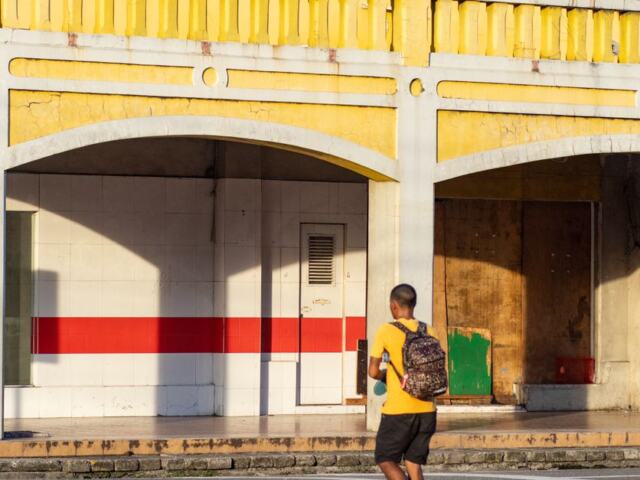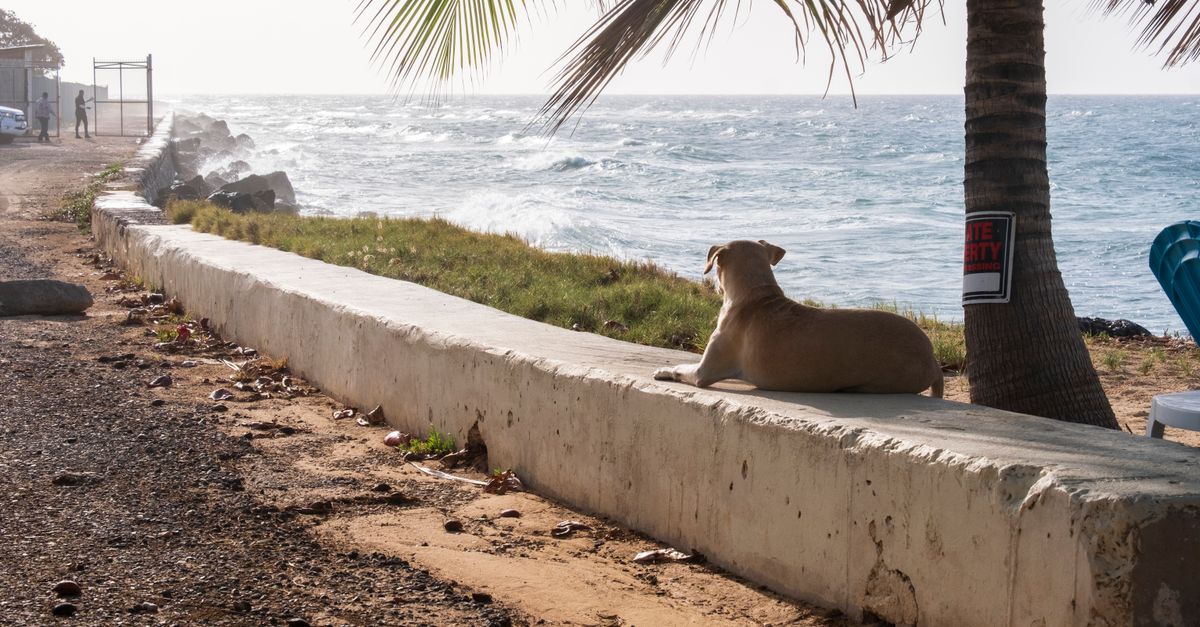
A resort photograph can identify a trip. A street photograph can show how a place feels. Montego Bay street photography asks the photographer to pay attention to people, gestures, signs, and the ordinary work of a public street. That calls for a different approach from a planned beach portrait. The setting matters, but so does the decision to wait, ask permission, or put the camera away. This guide looks at possible street scenes in Montego Bay, the care needed around craft markets, and the way light should shape a visit. It also offers a way to build a small, coherent set of images rather than collecting unrelated snapshots.
Where to Photograph Street Life in Montego Bay
The useful question is not which street is most photogenic. It is what kind of activity a photographer hopes to observe. Montego Bay street photography can focus on the relationship between people and storefronts, the way an empty stretch frames a passerby, or the small exchanges that happen beside a market. Each subject calls for a different distance and a different degree of patience. Choosing one idea before walking can help a beginner notice recurring gestures or visual patterns instead of photographing everything in sight.
Gloucester Avenue can serve as a starting point for looking at street composition, but a name on a route is not a promise of a photograph. A beginner can look for repeated shapes, readable signs, and places where a person might pass through a clean background. Find a position that leaves room for people to pass, then watch how the background changes as they move across it. Try a wider frame that explains the setting before moving closer to a detail. If the frame depends on a stranger’s face or a close view of someone working, permission is the safer and more respectful choice. A wide scene may tell the story without making anyone its unwilling subject.
The Harbour Street Craft Market is listed at Harbor Street, Montego Bay, Jamaica, in the AAA Trip Canvas listing. The market offers a specific subject to consider, but its name alone does not establish where photography is permitted. A photographer should treat stalls and merchandise as part of someone’s workplace, not as unattended scenery. That distinction can improve the pictures. A conversation may reveal whether a seller welcomes a portrait, prefers a wider view, or does not want a camera pointed toward the stall. If there is any doubt about photographing inside a market, ask before beginning rather than assuming that a visitor’s access includes permission to make images.
Fishing suggests another subject, though it should remain a visual idea rather than an assumed stop on a Montego Bay route. Nets, boats, and the labor around them are not props. Before seeking a fishing scene, a photographer should confirm a suitable public vantage point and approach people at work without interrupting them. A distant view might show how a working scene fits into its surroundings; a close portrait requires a more direct conversation. The same care applies when comparing city streets with Treasure Beach Jamaica photography. Different subjects need different expectations.
Montego Bay also need not stand in for Kingston. A photographer who arrives expecting the same street scenes in each place may miss what is actually in front of the lens. For a broader way to think about place and subject, street photography in Jamaica provides context beyond a single city. In Montego Bay, the stronger approach is to choose a modest area to observe, notice how people use it, and let the photographs develop from that observation. Reviewing a few frames before moving on can reveal what is missing: a clearer setting, a quieter background, or an image that connects the details to the people using the space.
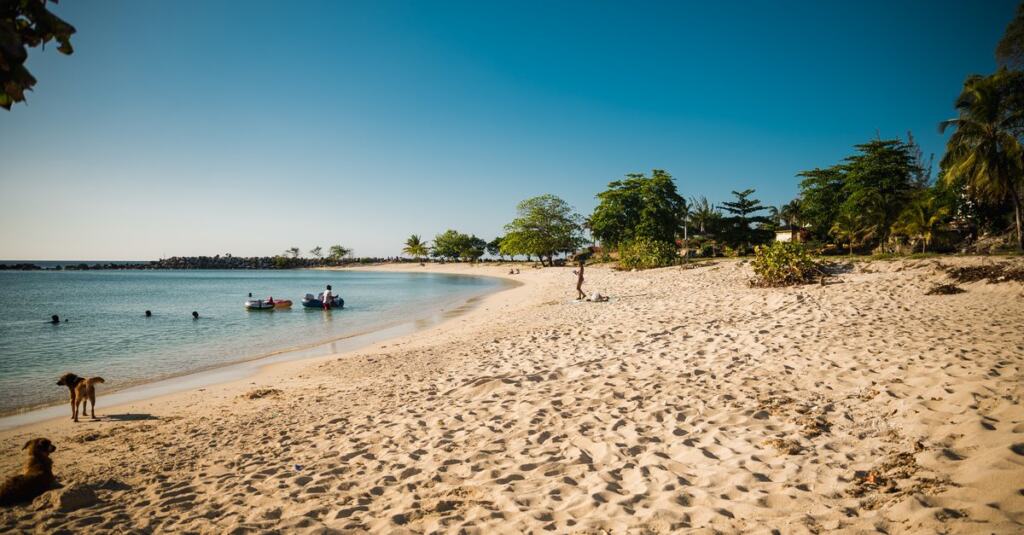
Are Craft Markets Good for Photos?
Craft markets can be good places to practice careful observation. Objects, hands, conversations, and the space between stalls may offer more to a frame than a tightly cropped display of goods. They are also places where the difference between observing and intruding becomes obvious. A visitor may see a colorful arrangement. A seller may see a person blocking a customer or photographing work without asking. The goal is not merely to find color, but to show enough context for a viewer to understand the scene without reducing someone else’s workplace to decoration.
The practical answer is to begin without raising the camera. A photographer can study the background, identify what draws attention, and decide whether a picture would involve a recognizable person. If it would, a brief request gives that person a real choice. Explain what you hope to photograph, and be prepared to accept limits on where you stand or what you include. A refusal should end the attempt, without a second request from another angle. Permission also does not oblige anyone to perform for the camera. The strongest portrait may be a straightforward one made after a relaxed exchange, but no portrait is owed.
There is room for photographs that do not depend on a face. A wider frame can show how a stall relates to the space around it. A detail can isolate texture or arrangement, provided it does not turn someone else’s work into an assumed free backdrop. Before pressing the shutter, check the edges of the frame for customers or sellers who have become prominent by accident. A photographer can also step away when the scene becomes too busy to work in without causing disruption. Missing a picture is a reasonable trade for leaving people to do their jobs.
Travel plans can affect expectations. The AAA Trip Canvas listing describes private shopping tours that include a craft market visit in Montego Bay. It also describes day trips from Falmouth that combine Doctor’s Cave Beach with Hip-Strip shopping. Those listings establish tour options, not photography permission or a reliable level of activity at any particular moment. A photographer should not treat a shopping stop as a scheduled street scene. If a visit is brief, it may be more productive to make one considered image than to hurry through several stalls with a camera raised.
Craft markets are most useful to a beginner when the aim is specific. The exercise might be to make a photograph in which a person and the surrounding space both matter, or to show an exchange without crowding either participant. The photographer can then review the frame for more than sharpness. Does the image explain anything about the scene? Is the main subject clear? Would the person pictured reasonably recognize the interaction as respectful? Look, too, for what the crop leaves out: removing the setting can make an ordinary exchange appear more dramatic than it was. Those questions make a better editing test than color alone.
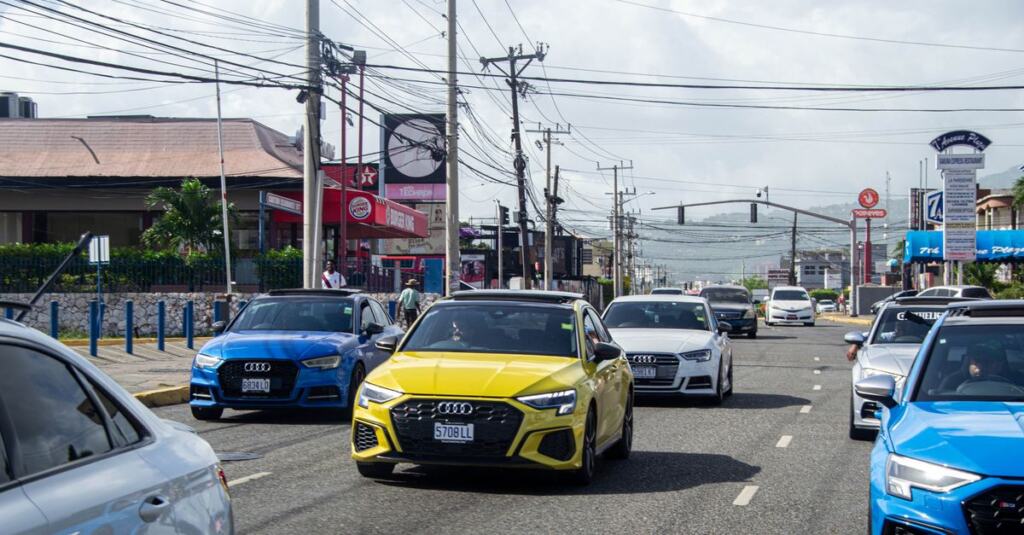
What Is the Best Time to Visit?
There is no single best time for every Montego Bay street photograph. The right time depends on the intended picture and on what the light is doing when the photographer arrives. A portrait made in open shade asks for a different approach from a frame built around strong shadows. Rather than rely on a fixed clock time, a photographer can look at the direction of the light, the brightness behind the subject, and whether people can move through the frame comfortably. Returning to a promising composition under different light may be more useful than searching constantly for a new location.
For a beginner, open shade often makes it easier to concentrate on gesture and expression without a bright background taking over. Strong direct light can work when shadows are part of the composition. It can also hide facial detail that the photograph needs. Neither condition is inherently better. The useful habit is to decide what should remain visible before changing camera settings or asking someone to stand in a different spot. Take a test frame and check whether the brightest areas distract from the subject; changing your position may solve the problem more simply than changing the exposure.
Timing matters for people as well as exposure. Someone who is serving a customer, carrying goods, or focused on work may not welcome a conversation about photographs. Waiting until an interaction has finished can be more considerate than approaching during it. If the scene changes before a photograph can be made, the photographer can let it go. Street work depends on judgment, not just quick reactions. It also helps to distinguish between waiting for an unobtrusive moment in a public scene and lingering so close to one person that the camera becomes a distraction.
A short visit is easier to manage with a simple plan. AAA Trip Canvas lists a day trip from Falmouth that combines Doctor’s Cave Beach with Hip-Strip shopping. A photographer can choose a subject, allow time to observe it, and check the light before making pictures. Start with a frame that establishes the place, then consider whether a closer image adds something the first one cannot show. If the chosen frame calls for a recognizable person, the plan should leave room to ask. If permission is not possible, a wider composition or an unoccupied detail may serve the idea better. Advice on the best time of day to photograph in Jamaica can help connect those choices to camera settings.
The best time, then, is not a guaranteed hour. It is a moment when the light supports the intended image and the photographer can work without pressing into someone else’s space. In Montego Bay, attention to both conditions makes a street photograph more deliberate than a quick record of a passing scene. A useful final selection might pair a wider view, a carefully made human interaction, and a detail that adds context; together, they can say more than several versions of the same colorful frame.