A painted sign can be easy to overlook when the larger wall behind it commands attention. Yet Jamaican hand painted signs deserve a place in any discussion of street art. Their lettering carries messages meant to be read in passing, while their surfaces show the decisions of the person who painted them. A sign outside a shop or beside a road serves a different purpose from a mural, but both shape how a place looks. The distinction matters most when the sign is treated not as background clutter, but as work made by a painter.
Who Paints the Signs on Jamaican Shops and Stalls?
Sign painters work where lettering, illustration, and practical communication meet. The task is not simply to put words on a surface. A painter has to decide what can be read quickly, which words deserve emphasis, and how the available space will hold the message. Those choices give a handmade sign its character without preventing it from doing its job.
Barber shops and Roadside stalls offer useful ways to think about the craft. A shop sign identifies a business. A stall sign has to connect a message to the place where it hangs. In either setting, the painter’s work remains visible in the spacing of the letters, the edges of a painted shape, and the treatment of an older surface. These are observations a reader can make without knowing who held the brush.
One publicly profiled painter provides a more specific account. Raw Vision describes Kemel Leeford Rankine as first and foremost a sign painter. It reports that he began sign painting in 1990 after a leg injury made more physically demanding work difficult. Rankine works in enamel on reclaimed metal, mainly from large appliances such as old refrigerators. His signs hang in front of a workshop beside a jerk pit stall.
That account resists a common habit of treating painted signage as an anonymous visual style. Rankine is a named maker with a working method and a material preference. The sign can be read as public communication, but it can also be considered as an object shaped by an individual hand. A broader look at street art in Jamaica gains something from keeping those two readings together.
What Makes Jamaican Hand-Painted Signs Distinctive?
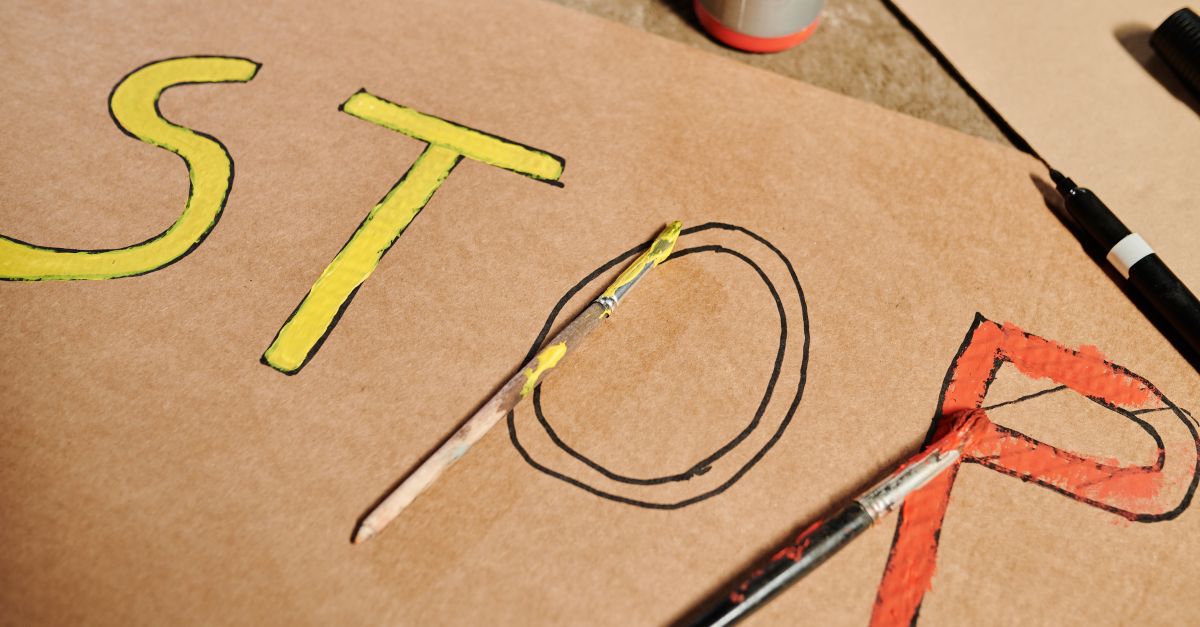
Hand-painted signs are distinctive because their message and their making remain visible at the same time. Printed lettering can appear uniform across a surface. Painted lettering asks the reader to notice variations in width, curves, spacing, and emphasis. Those differences need not be mistakes. They can show how a painter adapted a design to a particular piece of metal, board, or wall.
The setting is part of that reading. A sign attached to a shopfront does a different job from one announcing a grassroots event along a road. LargeUp describes homemade event signs nailed to poles and trees across the island, usually at night, to promote grassroots events. LargeUp also describes those signs as technically illegal. That qualification belongs to the event signs in its account, not to every painted shop or stall sign.
A roadside event sign is meant to catch attention during movement. The words need to register before the viewer passes. A fixed business sign can reward a slower look because the business and the painted message share a location. Both forms involve decisions about lettering and visibility, but their immediate purposes differ. Treating them as interchangeable would flatten the work that each painter has to solve.
The distinction also helps place signage alongside political murals Jamaica without confusing their roles. A mural may ask people to consider an image across an entire wall. A painted sign usually has a narrower message to deliver. That narrower purpose does not make its design less worthy of attention. It gives the painter a different constraint, and often a smaller surface on which every word has to work.

Can a Hand-Painted Sign Be Commissioned?
A commission is a practical way to think about how a painted sign comes into being, but it should not be mistaken for a documented offer from a particular painter. The available profile of Rankine describes his materials and where his signs hang. It does not set out a booking process, price, schedule, or terms for custom work. A reader seeking a sign would need to establish those details directly with the maker.
Before that conversation, the intended use needs to be clear. A business name, an event announcement, and a decorative piece place different demands on lettering. The painter needs the exact words, a sense of where the finished work will be seen, and an understanding of the surface available. A long message can crowd a small panel. Shorter wording gives the painter more room to make the principal words legible.
Material matters for the same reason. Rankine’s documented use of enamel on reclaimed appliance metal shows one approach, not a standard that every sign painter follows. A person considering a painted sign should ask the maker what surface is suitable for the proposed location and how the design will fit it. That leaves room for the painter’s judgment rather than treating a handmade sign as a printed layout transferred without change.
The question is also one of authorship. A commission asks for communication, but the painter brings skill to the shapes and spacing that carry it. Clear wording and a clear purpose are useful. Dictating every stroke may defeat the reason for seeking a hand-painted piece in the first place. Looking at Montego Bay murals can prompt a related question about public art. Who chooses the message, and whose visual decisions make it visible?
Are Hand-Painted Signs Disappearing?
There is no sourced measure here that establishes whether Jamaican hand-painted signs are declining. A reader may notice printed signs beside painted ones, or find an older painted surface worn and difficult to read. Neither observation, on its own, establishes a trend. Claims about what has replaced the craft need evidence beyond an impression gathered from a street or an image.
The question remains useful because signs are vulnerable to changes in their immediate setting. A message tied to an event may matter briefly. A business sign may remain meaningful only while it identifies that business. These are reasons to pay attention to context, not evidence that one kind of sign is disappearing faster than another. If a sign is removed, a photograph can preserve its lettering while losing some sense of where it stood and what it was meant to announce.
Raw Vision notes that many well-known self-taught Jamaican artists have done sign painting, though it is usually treated as peripheral to their art. That distinction raises a concern separate from any claim of numerical decline. Painted signs can be present and still receive little attention as work made by skilled people. Recognizing a sign painter by name changes the discussion from a general impression of colorful streets to an account of labor and authorship.
Kingston and Rural Jamaica should not be collapsed into a single assumed pattern. A claim about changing signage in either setting would need evidence specific to that claim. For now, the sounder approach is to look closely at what a sign says, how it has been painted, and where it appears. Those details let Hand-painted signs enter the discussion of Jamaican visual culture on their own terms, without an unsupported story of decline.