A painted wall in Kingston can be easy to read too quickly. Orange and green may signal party allegiance, but color alone does not explain who painted a wall, who maintains it, or what the people nearby think it means. A portrait may honor someone who has died without making a political claim. Political murals in Jamaica are best understood as part of a street’s social setting, not as isolated images. The distinction matters for people trying to understand the work, especially where party identity and local memory occupy the same public space.
Why Are Some Jamaican Walls Painted in Party Colors?
Party colors offer a visible shorthand for political identity. Orange is the official color of the People’s National Party, while green is the official color of the Jamaica Labour Party, according to a Jamaica Observer column. The column describes colors as a way to identify followers and their leaders. On a wall, those colors can hence suggest an allegiance that extends beyond the painted surface.
That does not mean every orange or green wall is a political mural. Paint can be decorative, old, or unrelated to the message a passerby expects to find. The surrounding words, figures, and setting matter. So does the difference between a wall painted for a particular event and one that remains part of a neighborhood’s everyday appearance. A careful reading begins with what is actually visible, rather than an assumption based on color alone.
Color also carries social weight that a general account of street art in Jamaica might miss. The same Jamaica Observer column warns that wearing the wrong party color in a strongly partisan area could be dangerous. It also reports arguments for downplaying party symbols. Those observations concern people’s use of color, not a rule that applies to every painted wall. They do explain why treating a party color as merely an attractive background can flatten its meaning.
Political imagery is not uniform across Jamaica. During a campaign, supporters in green and orange mixed in the streets of Yallahs, St Thomas, as reported by the Jamaica Observer. The example is a reminder that visible party colors do not always mark a sharp physical divide. A wall needs to be read in its particular surroundings.
What Are Garrison Community Murals?
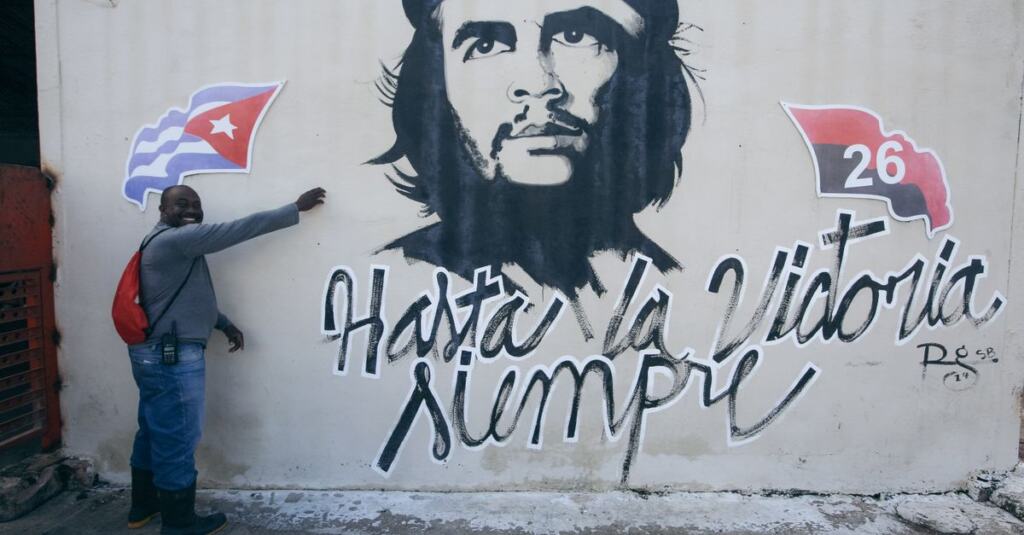
Garrison communities are closely associated with political allegiance. A mural in such a setting can make that allegiance visible through party color, a slogan, or a figure presented as a political symbol. Yet a neighborhood is not a single voice. The presence of a political image does not establish that every resident supports its message or had any say in its creation.
Historical context helps explain why these walls attract attention. An account in the Jamaica Gleaner describes Tivoli Gardens as the prototype political garrison and says politicians from both main parties built other garrisons in the decades following the Foreshore razing. This background connects the idea of a garrison to organized party politics. It does not, by itself, identify the purpose or authorship of any particular mural.
For a reader looking at a wall in Kingston, the useful question is what the painting asks people to recognize. Party colors may declare affiliation. A portrait may honor a person. A phrase may express loyalty, grief, or a call for change. These possibilities can overlap, which makes a simple label less useful than a description of the actual image and its setting.
The same caution applies when comparing murals with Jamaican hand painted signs. Both use walls or other visible surfaces to communicate, but the purpose of a work cannot be settled by its handmade appearance. A political mural may address a local audience before it addresses a visitor. The reader gains more by attending to the message than by treating the work as decoration.
Are Political Murals Safe to Photograph?
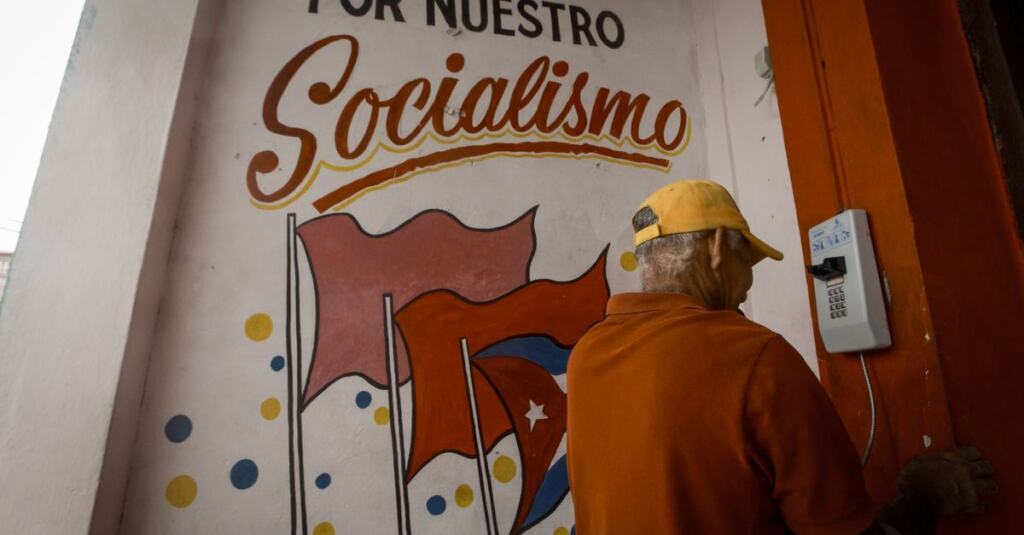
No painted wall provides a reliable answer to that question on its own. The safer approach is to treat photography as a matter of context and consent, rather than assume that a visible mural is an invitation to document everything around it. The earlier warning about party colors concerns dress in a strongly partisan area. It should not be turned into a blanket claim that photographing political murals is dangerous everywhere.
A beginner can separate the image from the activity required to photograph it. Is the mural visible from a place where the photographer can stand without intruding? Are people nearby likely to be identifiable in the frame? Does the photograph include a home, a gathering, or a private moment that is incidental to the wall? Those questions are more useful than asking whether orange or green paint makes a photograph safe or unsafe.
When people are present, asking before taking a close photograph shows respect. If someone objects, leaving the camera down avoids making the mural a reason for a confrontation. A wide image that records an empty wall is different from a close image that turns residents into part of the subject. Even when no one speaks, the photographer can decide not to take the shot.
Captions require similar care. A photograph can show the words and colors on a wall. It cannot establish who commissioned the painting or what all nearby residents believe. Describing visible details without assigning an unverified political identity to people keeps the record more accurate. It also leaves room for a mural’s meaning to be more complicated than its most obvious symbol.
How Do Memorial Murals Differ From Political Ones?
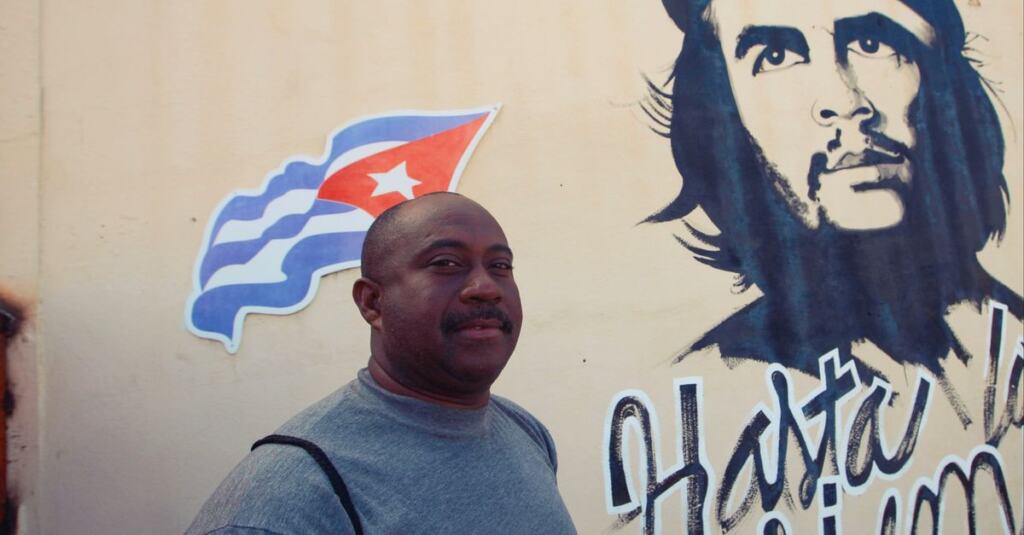
Memorial murals center remembrance. A portrait, name, or message of loss can make a wall a place where people acknowledge someone who has died. Political murals center a public position, allegiance, or claim about power. The distinction lies in what the painting communicates, not in whether it uses a portrait or a bright color. The same visual device can serve different purposes.
A memorial may also have political meaning. If a remembered person is presented alongside party symbols, grief and allegiance may appear together. Conversely, a portrait with no visible party reference should not be labeled political simply because it appears in an area associated with politics. Without a documented account of the work, the sounder description is limited to what the wall shows.
This matters especially when a painting is shared beyond its neighborhood. A cropped image can remove the surrounding words that clarify whether a portrait is commemorative, celebratory, or partisan. A caption can then give the work a certainty the image does not support. Keeping the full wall in view, and distinguishing observation from interpretation, helps preserve the difference.
Not every familiar face on a Jamaican wall belongs in either category. A reader considering Bob Marley murals Jamaica is asking a different question from someone assessing a local memorial or a party statement. Recognition of a subject alone does not explain a painting’s purpose. Words, symbols, and the way the figure is presented carry the meaning.
Where a memorial has no verified story attached, restraint is useful. People can describe its visible name, portrait, and wording without inventing a biography or a cause of death. Political murals deserve the same discipline. A wall may communicate allegiance, but its image is not proof of who authorized it or how an entire community feels about it.