A painted wall can carry several kinds of meaning at once. It may be a commissioned artwork, a tribute to a musician, a neighborhood marker, or an advertisement made by hand. Street art in Jamaica becomes more legible when those differences remain visible. Treating every painted surface as a mural misses much of what gives the work its setting and purpose.
Kingston is a useful starting point because a visitor can encounter an organized public art district there while considering less formal visual traditions alongside it. Water Lane offers a documented route into that discussion. Names such as Fleet Street, Trench Town, and Paint Jamaica also appear in conversations about Jamaican street art, but a name alone cannot establish where a work stands or who made it. This guide separates documented locations and artists from broader questions about music, neighborhood identity, and graffiti. That distinction matters when a wall is both an image and part of someone’s everyday surroundings.
Where to See Street Art in Kingston
For a location with a documented public art route, begin with Water Lane in downtown Kingston. The pedestrianized public art walkway is the centerpiece of the Downtown Kingston Art District. It connects the National Museum on East Street with the National Gallery of Jamaica on Orange Street, according to the Jamaica Observer. That description provides something more useful than a vague promise of colorful walls. It identifies a street, a route, and the institutions at either end.
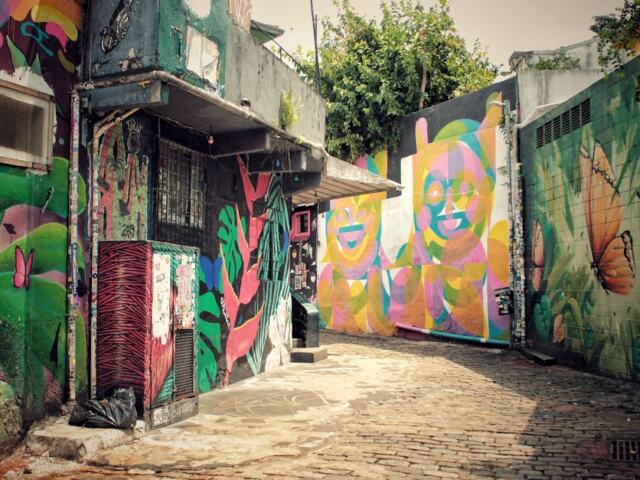
Water Lane is also a place to look closely at how an art district takes shape. A Jamaica Observer report described its decorative brick paving and documented murals made by local artists there. The street itself hence forms part of the visual experience. Painted surfaces do not sit apart from the ground, buildings, and people who use the area.
The most useful way to read the work is slowly. Notice whether an image names an artist, project, sponsor, or person being honored. Look at the adjoining walls rather than isolating a single painting for a photograph. A mural presented as public art may have a different purpose from lettering attached to a business. Neither needs to be dismissed to make that distinction.
The district is a starting point, not a map of every painted wall in Kingston. Fleet Street and Trench Town belong in a broader conversation about neighborhood-based street art, but their names should not be treated as directions to a particular mural without a verified location. For a more focused account of documented sites, murals in Kingston Jamaica. The question of whether an organized walk suits a visit belongs in the separate Kingston street art tour guide.
Other forms of painting can sharpen the eye before or after a mural walk. Jamaican hand painted signs deserve attention as works shaped by practical communication, not merely as decorative background. Painted vehicles raise a related question about surfaces that move rather than remain fixed. The guide to Jamaican decorated buses treats that subject separately.
Kingston should not stand in for the whole island. For place-specific reading beyond the capital, Montego Bay murals and Ocho Rios murals provide distinct starting points. A location-based approach keeps the setting attached to the image rather than folding different places into one Jamaican street art scene.
Who Are the Main Jamaican Street Artists?
There is no single, defensible list of the main Jamaican street artists. Visibility depends partly on where someone looks. A commissioned mural may carry a clear credit and appear in project coverage, while a neighborhood painting or a hand-lettered sign may circulate without the same public record. A responsible account names artists where documentation supports the attribution and leaves room for work whose maker is not identified.
One documented example comes from Water Lane. Pamella Chang, Lennox Coke, and Dwayne Grant were among the artists in the One Downtown mural block covered by the Jamaica Observer. Their inclusion gives readers names to connect with a particular project. It does not establish a ranking of influence across Jamaican street art, nor does it imply that those artists made every mural nearby.
The distinction between an artist and an organizing body also matters. Kingston Creative is a nonprofit arts organization started in 2017 by three co-founders, as described by the National Library of Jamaica. Its role in a mural program is not the same as the role of a person designing and painting an individual wall. Credits are worth checking for both. They can show who made an image and who arranged or supported its production.
Those relationships have material consequences. Murals provide work for artisans and artists in the downtown area, according to the Jamaica Gleaner. The labor behind a finished wall may hence extend beyond the name most visible beside it. Questions about preparation, paint, and technique belong with the account of how murals are made in Jamaica.
A visitor looking for authorship can start with a modest practice. Read any credit on the wall, distinguish the artist from the project name, and avoid assigning unsigned work to a familiar painter on the basis of style alone. Neighborhood context matters too. A commissioned image about community life is not automatically a community-made image. The guide to community mural projects Kingston takes that difference as its focus.
Jamaican street art also exceeds the category of named muralists. Sign painters, graffiti writers, and people making memorial images may work toward different ends and receive different kinds of recognition. Asking who is visible in the public record is useful. Asking who gets left out is just as important.
What Is Paint Jamaica?
Paint Jamaica is a name that can arise when people discuss painted public space, but it should not be used as a substitute name for every mural initiative in Kingston. The documented downtown program discussed here is Kingston Creative’s Paint the City. Keeping those names separate prevents a common attribution problem. A wall associated with one project should not be assigned to another because both involve paint and public space.
Paint the City aims to create an art district that improves the economic, cultural, and social viability of downtown communities, according to the Jamaica Observer. That aim explains why its murals are discussed as more than isolated pictures. They are part of an effort to shape how a district looks, how people encounter it, and how creative work fits into local activity.
The program has involved support from the Tourism Enhancement Fund, KSAMC, Kingston Creative, and Sherwin Williams Jamaica, as reported by the Jamaica Observer. Sponsorship and organization are relevant details, not footnotes. They help explain why particular walls become available, why a project can be presented as a coordinated district, and why the finished work may carry several kinds of credit.
Scale can change the way a place is read. Kingston Creative reported completing 105 murals, with the UNESCO Creative City of Kingston marking the milestone in 2024, according to the Jamaica Observer. That reported figure describes the project’s output. It does not measure how deeply every painting speaks to the neighborhood around it.
There is room to appreciate a newly painted street and still ask harder questions. Who chose a theme? Was an artist based in the area? Does an image present local life as people there recognize it, or mainly as a pleasing scene for visitors? Those questions need evidence from each work and its production. They cannot be settled by the brightness of a wall. Reports that residents felt more secure after the murals are meaningful accounts, but they should not be stretched into proof of every promised social outcome.
The One Downtown work on Water Lane illustrates the value of precise identification. The name refers to a documented mural block, not to all street art across Kingston. The wider category includes imagery made for other purposes and under other conditions. Readers interested in how portraits of public figures function within that wider field can turn to Jamaican national heroes murals. The main point remains straightforward. Project names identify projects. They do not define the limits of Jamaican visual culture.
How Do Jamaican Murals Relate to Reggae and Dancehall?
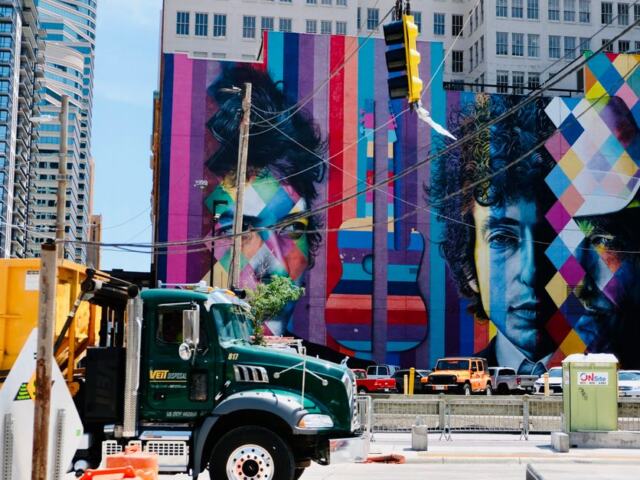
Music gives many people an entry point into Jamaican murals, but a musical reference needs to be read carefully. A portrait, a lyric, a performance image, and an advertisement can all refer to music while doing different work on a wall. One may honor a person. Another may promote an event. A third may use familiar imagery to express a neighborhood’s sense of itself. The subject alone does not explain the relationship.
For street art in Jamaica, the most productive question is often not simply who appears in a painting. It is why that image appears there. A mural encountered on a planned public art walkway has a different setting from a poster placed to announce a performance. The difference does not make either form more authentically Jamaican. It changes who selected the surface, how long the image might be intended to remain, and how people meet it in daily life.
Bob Marley offers a focused way to consider portraiture without treating every music mural as interchangeable. The guide to Bob Marley murals Jamaica examines that subject on its own terms. For a wider look at musical imagery, reggae murals Jamaica follows the connections between painted walls and those genres. Neither subject should erase the particular artist or setting of an individual work.
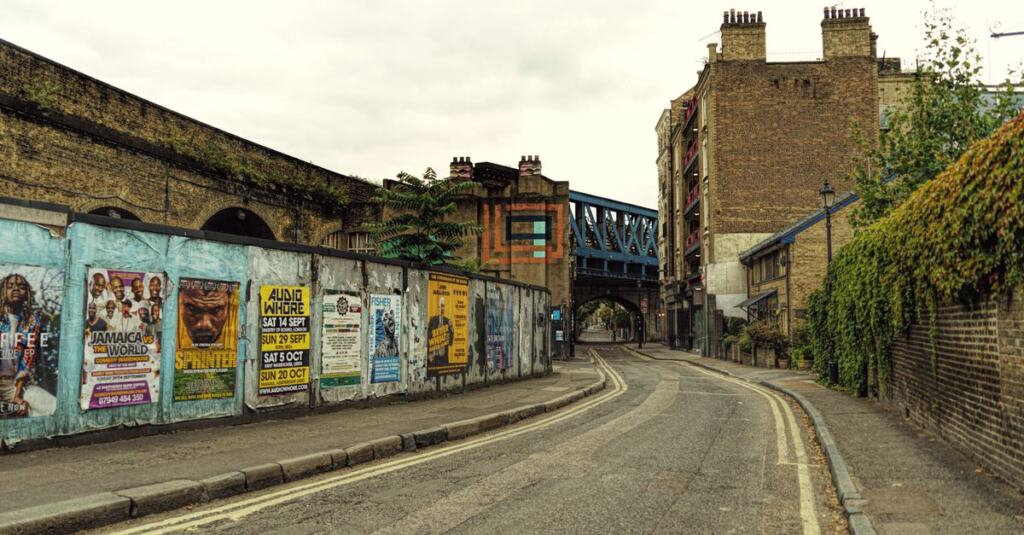
Dancehall’s visual presence also invites attention beyond permanent murals. dancehall posters Jamaica addresses printed promotion and advertising on walls. Those materials can be easy to overlook beside a large painting, especially when a reader approaches the street expecting only commissioned art. Yet an advertisement makes a direct claim on public attention. Its lettering, placement, and changing condition can tell a different story about how a wall is used.
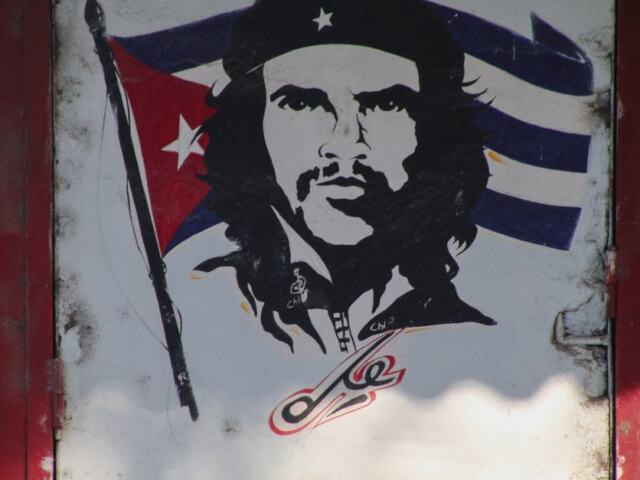
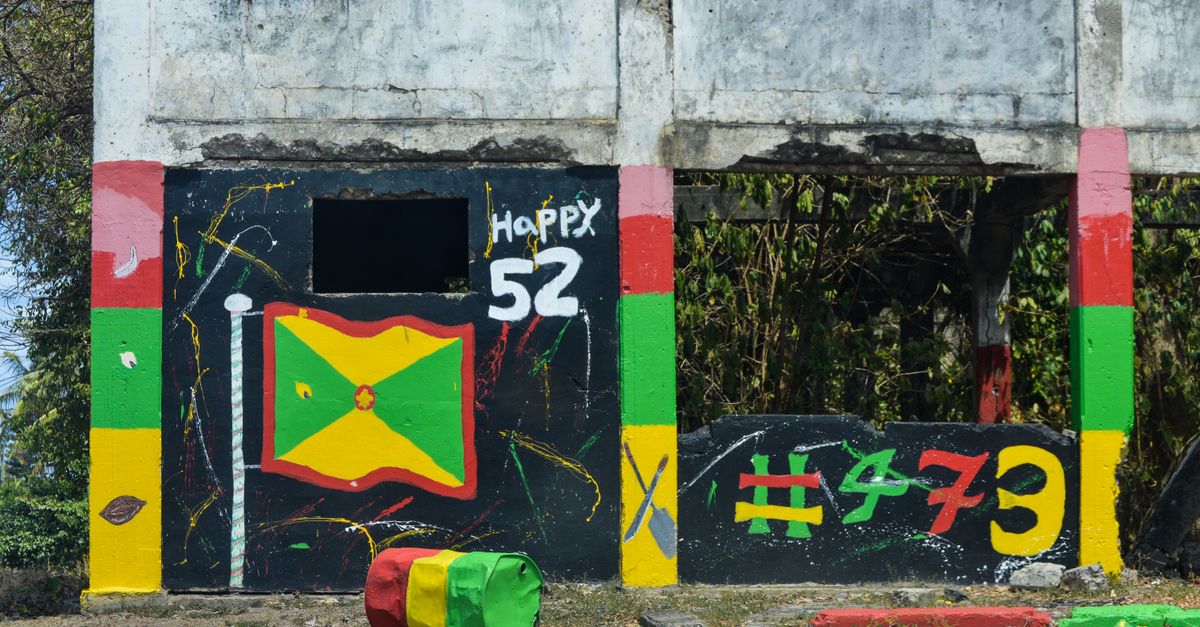
Music is not the only framework for interpretation. A painted figure may be a memorial rather than a celebrity portrait. A slogan may refer to politics rather than a song. A neighborhood name may mark attachment to a place rather than announce a cultural attraction. The discussion of political murals Jamaica offers a way to examine those meanings without folding them into music history.
Close attention helps resist an easy but thin reading of Jamaican street art as a collection of familiar symbols. A musical image gains meaning from its words, authorship, surface, and surroundings. When those details cannot be verified, the honest description is limited. An unidentified portrait remains an unidentified portrait, even if a famous name would make a tidier caption.

Is Graffiti Legal in Jamaica?
No general legal answer follows from the mural reporting cited here. Graffiti and commissioned murals should not be treated as legally identical, but neither should a reader assume that a painted wall was authorized simply because it remains visible. Questions about permission and applicable rules require evidence specific to the surface and the circumstances. The separate guide to is graffiti illegal in Jamaica is the appropriate place to examine that question in detail.
Graffiti is also a visual category, not just a legal question. Tags, lettering, and other marks can differ sharply from large figurative murals in their scale, intent, and relationship to a wall. Calling every mark graffiti conceals those differences. Calling every attractive painting street art can do the same. The guide to graffiti in Jamaica looks more closely at tagging and the language used around it.
The contrast is especially clear when a documented project is involved. Paint the City is described through named organizers, supporters, and a stated district aim. That information helps explain the program’s public presentation. It does not establish a general rule for unrelated walls. Kingston Creative has also launched three simultaneous mural open calls across Kingston and Montego Bay, according to the Jamaica Gleaner. Likewise, a lack of visible credit beside a mark does not, by itself, establish whether permission existed.
For anyone photographing or writing about a wall, careful description is more reliable than a quick legal label. Record what is visible. Identify a project or artist only when the attribution is supported. Separate an observation about a mark’s appearance from a claim about how it got there. This approach also keeps people living beside the work in view. A wall may be a public image to a visitor and part of an everyday building to someone else.
That difference runs through street art in Jamaica. Water Lane shows what a coordinated mural route can make visible. Music imagery, signs, memorials, and graffiti raise questions that a single route cannot answer. Each work deserves to be understood in relation to its maker, its surface, and the place around it.